Buy likeboost.eu ?
We are moving the project
likeboost.eu .
Are you interested in purchasing the domain
likeboost.eu ?
domain@kv-gmbh.de · 0541-91531010
Buy likeboost.eu ?
What is demographic change?
Demographic change refers to the variations in the composition of a population over time. This can include changes in factors such as age, gender, ethnicity, and socioeconomic status. Demographic change is influenced by factors such as birth rates, death rates, migration patterns, and changes in life expectancy. Understanding demographic change is important for policymakers, businesses, and society as a whole to plan for future needs and challenges. **
What is a demographic system?
A demographic system refers to the structure and dynamics of a population, including its size, distribution, composition, and changes over time. It encompasses factors such as birth rates, death rates, migration patterns, and age distribution. Demographic systems are important for understanding and predicting population trends, as well as for informing policy and planning in areas such as healthcare, education, and social services. By analyzing demographic systems, researchers and policymakers can better understand the needs and challenges of different population groups and develop strategies to address them. **


Similar search terms for Demographic
Top-Angebote
Products related to Demographic:
-
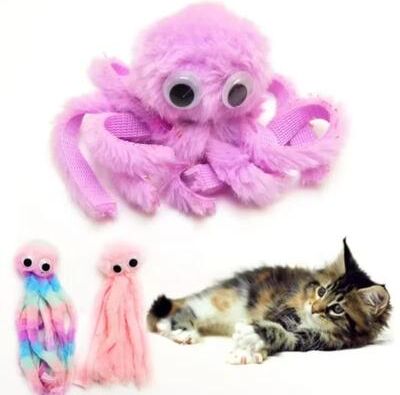
Uplifted Finds Octo Plush High Engagement Stimulator colorfulInject highintensity excitement into your pets day with the OctoPlush Stimulator, a multisensory toy engineered with tentacleflutter logic. Designed to mimic the erratic movement of aquatic prey, this 18 cm toy utilizes multistrand kinetic...33,97 $*Shipping: 0,00 $Secure redirect to the provider
-
Little Likes Kids Little Like Kids - Fubbles Bubblin Whale, Blue, Batteries Required, KidsRun, dance and play around with our cute oversized Fubbles® Bubblin Whale with continuous steams bubbles in the air! This is perfect for backyard, parks and parties.26,49 $*Shipping: 0,00 $Secure redirect to the provider
-
Uplifted Finds Orbit Flow 3 in 1 Kinetic Engagement Hub yellowMaximize your pets cognitive and physical stimulation with the OrbitFlow Kinetic Hub, a highperformance play center engineered with multitier engagement logic. This versatile system integrates three distinct predatory triggers into a single 21 cm...92,97 $*Shipping: 0,00 $Secure redirect to the provider
-
Uplifted Finds Octo Plush High Engagement Stimulator purpleInject highintensity excitement into your pets day with the OctoPlush Stimulator, a multisensory toy engineered with tentacleflutter logic. Designed to mimic the erratic movement of aquatic prey, this 18 cm toy utilizes multistrand kinetic...33,97 $*Shipping: 0,00 $Secure redirect to the provider




-
What does demographic change mean?
Demographic change refers to the shift in the composition of a population over time. This can include changes in factors such as age, gender, race, ethnicity, and socioeconomic status. Demographic change can have significant impacts on society, including influencing consumer behavior, workforce dynamics, and political representation. Understanding demographic change is important for policymakers, businesses, and organizations to effectively plan for the future and address the needs of a changing population. **
-
What is the demographic contribution?
The demographic contribution refers to the impact of a specific demographic group on a population or society. This can include factors such as population size, age distribution, birth rates, death rates, migration patterns, and cultural diversity. Understanding the demographic contribution of different groups is important for policymakers, businesses, and organizations to make informed decisions about resource allocation, social services, and marketing strategies. It also helps to identify potential challenges and opportunities related to population changes. **
-
What are solutions for demographic change?
Solutions for demographic change include implementing policies that support family-friendly workplaces and flexible work arrangements to encourage higher birth rates. Additionally, investing in education and training programs to support the aging population and promote workforce participation among older adults can help mitigate the effects of demographic change. Immigration policies that attract skilled workers and contribute to population growth can also be a solution for demographic change. Finally, promoting healthy lifestyles and access to healthcare can help address the challenges associated with an aging population. **
-
What is the demographic transition 2?
The demographic transition 2 refers to the second stage of the demographic transition model, which is a theory that describes the process of population growth and decline over time. In the second stage, both birth rates and death rates decline, leading to a slower rate of population growth. This stage is often associated with improvements in healthcare, sanitation, and education, which contribute to lower mortality rates and longer life expectancy. As a result, the population becomes more stable and begins to age, leading to changes in the age structure of the population. **

What are the effects of demographic change in political, social, and economic terms?
Demographic change can have significant effects on politics, society, and the economy. In political terms, demographic shifts can lead to changes in voting patterns and political priorities, as different demographic groups may have different interests and concerns. Socially, demographic change can impact cultural norms, social cohesion, and the provision of social services, as the needs of a changing population may require adjustments in policy and resource allocation. Economically, demographic change can affect labor supply, consumer demand, and the sustainability of social welfare programs, as shifts in population age, size, and composition can impact economic productivity and government budgets. Overall, demographic change is a complex and multifaceted phenomenon that can have wide-ranging implications for various aspects of society. **
How do I interpret this demographic chart?
To interpret a demographic chart, you should first look at the key or legend to understand what each color or symbol represents. Next, analyze the different categories or groups displayed on the chart, such as age groups, genders, or ethnicities. Pay attention to the proportions of each group relative to the total population to identify any trends or patterns. Finally, consider any changes over time or comparisons between different demographic factors to gain a deeper understanding of the data presented. **
Top-Angebote
Products related to Demographic:
-
Uplifted Finds Predatory Engagement Wrestling Puppet Hub Predatory Engagement Wrestling Puppet HubTransform interactive play with the PredatoryEngagement Puppet, a professionalgrade interaction module engineered with manualsimulation logic. This highutility tool features a reinforced plush architecture and poseable limbs, specifically designed...85,97 $*Shipping: 0,00 $Secure redirect to the provider
-
Costway 7 FT Inflatable Tube Man with Blower for Outdoor Business Promotion Store-BlackInject instant excitement into any event with this7 ft/215 cm attractive inflatable tube man featuring an iconic, energetic dance, with flowing hair, a cheerful smile, and waving arms, that captivates attention and lifts spirits.89,99 $*Shipping: 0,00 $Secure redirect to the provider
-
Uplifted Finds Octo Plush High Engagement Stimulator colorfulInject highintensity excitement into your pets day with the OctoPlush Stimulator, a multisensory toy engineered with tentacleflutter logic. Designed to mimic the erratic movement of aquatic prey, this 18 cm toy utilizes multistrand kinetic...33,97 $*Shipping: 0,00 $Secure redirect to the provider
-
Little Likes Kids Little Like Kids - Fubbles Bubblin Whale, Blue, Batteries Required, KidsRun, dance and play around with our cute oversized Fubbles® Bubblin Whale with continuous steams bubbles in the air! This is perfect for backyard, parks and parties.26,49 $*Shipping: 0,00 $Secure redirect to the provider
-
What is demographic change?
Demographic change refers to the variations in the composition of a population over time. This can include changes in factors such as age, gender, ethnicity, and socioeconomic status. Demographic change is influenced by factors such as birth rates, death rates, migration patterns, and changes in life expectancy. Understanding demographic change is important for policymakers, businesses, and society as a whole to plan for future needs and challenges. **
-
What is a demographic system?
A demographic system refers to the structure and dynamics of a population, including its size, distribution, composition, and changes over time. It encompasses factors such as birth rates, death rates, migration patterns, and age distribution. Demographic systems are important for understanding and predicting population trends, as well as for informing policy and planning in areas such as healthcare, education, and social services. By analyzing demographic systems, researchers and policymakers can better understand the needs and challenges of different population groups and develop strategies to address them. **
-
What does demographic change mean?
Demographic change refers to the shift in the composition of a population over time. This can include changes in factors such as age, gender, race, ethnicity, and socioeconomic status. Demographic change can have significant impacts on society, including influencing consumer behavior, workforce dynamics, and political representation. Understanding demographic change is important for policymakers, businesses, and organizations to effectively plan for the future and address the needs of a changing population. **
-
What is the demographic contribution?
The demographic contribution refers to the impact of a specific demographic group on a population or society. This can include factors such as population size, age distribution, birth rates, death rates, migration patterns, and cultural diversity. Understanding the demographic contribution of different groups is important for policymakers, businesses, and organizations to make informed decisions about resource allocation, social services, and marketing strategies. It also helps to identify potential challenges and opportunities related to population changes. **
Similar search terms for Demographic
-
Uplifted Finds Orbit Flow 3 in 1 Kinetic Engagement Hub yellowMaximize your pets cognitive and physical stimulation with the OrbitFlow Kinetic Hub, a highperformance play center engineered with multitier engagement logic. This versatile system integrates three distinct predatory triggers into a single 21 cm...92,97 $*Shipping: 0,00 $Secure redirect to the provider
-
Uplifted Finds Octo Plush High Engagement Stimulator purpleInject highintensity excitement into your pets day with the OctoPlush Stimulator, a multisensory toy engineered with tentacleflutter logic. Designed to mimic the erratic movement of aquatic prey, this 18 cm toy utilizes multistrand kinetic...33,97 $*Shipping: 0,00 $Secure redirect to the provider
-
Uplifted Finds Octo Plush High Engagement Stimulator pinkInject highintensity excitement into your pets day with the OctoPlush Stimulator, a multisensory toy engineered with tentacleflutter logic. Designed to mimic the erratic movement of aquatic prey, this 18 cm toy utilizes multistrand kinetic...33,97 $*Shipping: 0,00 $Secure redirect to the provider
-
Uplifted Finds Octo Plush High Engagement Stimulator 3 PcsInject highintensity excitement into your pets day with the OctoPlush Stimulator, a multisensory toy engineered with tentacleflutter logic. Designed to mimic the erratic movement of aquatic prey, this 18 cm toy utilizes multistrand kinetic...63,97 $*Shipping: 0,00 $Secure redirect to the provider
-
What are solutions for demographic change?
Solutions for demographic change include implementing policies that support family-friendly workplaces and flexible work arrangements to encourage higher birth rates. Additionally, investing in education and training programs to support the aging population and promote workforce participation among older adults can help mitigate the effects of demographic change. Immigration policies that attract skilled workers and contribute to population growth can also be a solution for demographic change. Finally, promoting healthy lifestyles and access to healthcare can help address the challenges associated with an aging population. **
-
What is the demographic transition 2?
The demographic transition 2 refers to the second stage of the demographic transition model, which is a theory that describes the process of population growth and decline over time. In the second stage, both birth rates and death rates decline, leading to a slower rate of population growth. This stage is often associated with improvements in healthcare, sanitation, and education, which contribute to lower mortality rates and longer life expectancy. As a result, the population becomes more stable and begins to age, leading to changes in the age structure of the population. **
-
What are the effects of demographic change in political, social, and economic terms?
Demographic change can have significant effects on politics, society, and the economy. In political terms, demographic shifts can lead to changes in voting patterns and political priorities, as different demographic groups may have different interests and concerns. Socially, demographic change can impact cultural norms, social cohesion, and the provision of social services, as the needs of a changing population may require adjustments in policy and resource allocation. Economically, demographic change can affect labor supply, consumer demand, and the sustainability of social welfare programs, as shifts in population age, size, and composition can impact economic productivity and government budgets. Overall, demographic change is a complex and multifaceted phenomenon that can have wide-ranging implications for various aspects of society. **
-
How do I interpret this demographic chart?
To interpret a demographic chart, you should first look at the key or legend to understand what each color or symbol represents. Next, analyze the different categories or groups displayed on the chart, such as age groups, genders, or ethnicities. Pay attention to the proportions of each group relative to the total population to identify any trends or patterns. Finally, consider any changes over time or comparisons between different demographic factors to gain a deeper understanding of the data presented. **
* All prices are inclusive of VAT and, if applicable, plus shipping costs. The offer information is based on the details provided by the respective shop and is updated through automated processes. Real-time updates do not occur, so deviations can occur in individual cases. ** Note: Parts of this content were created by AI.