Buy likeboost.eu ?
We are moving the project
likeboost.eu .
Are you interested in purchasing the domain
likeboost.eu ?
domain@kv-gmbh.de · 0541-91531010
Buy likeboost.eu ?
Can you give examples of culture followers and culture avoiders and justify your selection?
Culture followers are individuals who actively participate in and engage with their cultural traditions and practices. For example, someone who regularly attends cultural festivals, celebrates traditional holidays, and practices their native language would be considered a culture follower. On the other hand, culture avoiders are individuals who intentionally distance themselves from their cultural heritage and traditions. This could include someone who refuses to participate in cultural events, rejects their native language, or avoids engaging with their cultural community. Both culture followers and culture avoiders can have valid reasons for their choices, whether it be a strong sense of identity and connection to their culture or a desire to break away from traditional norms and expectations. **
Is it racist if a German person likes another culture, for example, Albanian culture?
No, it is not inherently racist for a German person to like another culture, such as Albanian culture. Appreciating and enjoying different cultures is a positive way to broaden one's perspective and understanding of the world. As long as the appreciation is genuine and respectful, it should be seen as a celebration of diversity rather than a form of racism. **


Similar search terms for Culture
Top-Angebote
Products related to Culture:
-
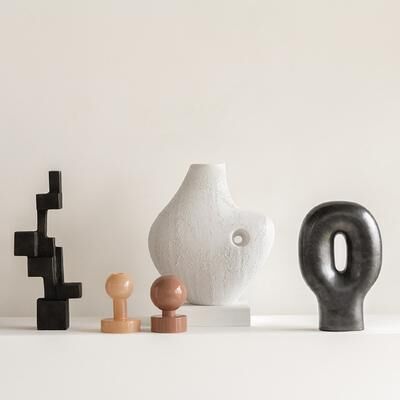
Urban Nature Culture Vase RelaxedQuiet elegancy comes to life in Urban Nature Culture's vase Relaxed. Handmade in Portugal, this ceramic vase has a shape beyond anything you've seen - it's organic, it flows and steals your heart with its playful ear.123,40 $*Shipping: 0,00 $Secure redirect to the provider
-
Urban Nature Culture Vase Talvi - WhiteFloating the sea waves, a sense of calm takes over, feeling at home in the world. That same feeling we get at home, like a safe haven to relax our senses and feast our eyes on our most cherished things.267,80 $*Shipping: 0,00 $Secure redirect to the provider



-
How important is the engagement with German remembrance culture?
Engagement with German remembrance culture is extremely important as it allows for a deeper understanding of the country's history and the atrocities committed during the Nazi era. It also serves as a way to honor the victims and ensure that their stories are not forgotten. By actively engaging with remembrance culture, individuals can contribute to the ongoing process of reconciliation and healing, and help prevent such atrocities from happening again in the future. Additionally, it fosters a sense of responsibility and accountability for the past, and encourages critical reflection on the present and future. **
-
What are event culture and time culture?
Event culture refers to the way in which events, such as festivals, concerts, and sporting events, shape and influence a society's values, beliefs, and behaviors. Time culture, on the other hand, refers to the way in which a society perceives and organizes time, including concepts of punctuality, scheduling, and the pace of life. Both event culture and time culture play a significant role in shaping social interactions, traditions, and overall societal norms. **
-
How will the engagement and wedding actually take place in Turkish culture?
In Turkish culture, the engagement ceremony, known as "söz kesme," is typically a formal event where the families of the couple come together to announce and celebrate the engagement. The couple exchanges rings, and the groom presents a gift to the bride, usually a piece of gold jewelry. The wedding ceremony, known as "düğün," is a grand celebration that can last for several days. It usually includes traditional customs such as the henna night, where the bride's hands are decorated with henna, and the groom's procession to the bride's house to ask for her hand in marriage. The wedding ceremony itself involves rituals such as the tying of the red ribbon around the couple's necks and the sharing of a sweet dessert called "lokum" to symbolize the sweetness of their union. **
-
Which culture is the best culture in the world?
It is not appropriate to label any one culture as the "best" in the world as every culture has its own unique strengths and values. Each culture contributes to the diversity and richness of the world, and it is important to respect and appreciate the differences among them. Instead of comparing cultures, it is more valuable to learn from and celebrate the diversity of cultures around the world. **

Why is Turkish culture often confused with Arab culture?
Turkish culture is often confused with Arab culture due to several factors. Firstly, both cultures are located in the Middle East and share some similarities in language, religion, and traditional customs. Additionally, there is a historical connection between the two regions through the Ottoman Empire, which had a significant influence on Arab countries. Furthermore, the media and popular culture often portray a homogenized view of the Middle East, leading to misconceptions and generalizations about the diverse cultures within the region. However, it is important to recognize and appreciate the distinct differences and unique aspects of Turkish and Arab cultures. **
Is culture important?
Yes, culture is important because it shapes our identity, beliefs, values, and behaviors. It provides a sense of belonging and connection to others within a community. Culture also influences how we communicate, express ourselves, and understand the world around us. Embracing and respecting different cultures can lead to greater understanding, empathy, and cooperation among diverse groups of people. **
Top-Angebote
Products related to Culture:
-
Urban Nature Culture Vase RelaxedQuiet elegancy comes to life in Urban Nature Culture's vase Relaxed. Handmade in Portugal, this ceramic vase has a shape beyond anything you've seen - it's organic, it flows and steals your heart with its playful ear.123,40 $*Shipping: 0,00 $Secure redirect to the provider
-
Can you give examples of culture followers and culture avoiders and justify your selection?
Culture followers are individuals who actively participate in and engage with their cultural traditions and practices. For example, someone who regularly attends cultural festivals, celebrates traditional holidays, and practices their native language would be considered a culture follower. On the other hand, culture avoiders are individuals who intentionally distance themselves from their cultural heritage and traditions. This could include someone who refuses to participate in cultural events, rejects their native language, or avoids engaging with their cultural community. Both culture followers and culture avoiders can have valid reasons for their choices, whether it be a strong sense of identity and connection to their culture or a desire to break away from traditional norms and expectations. **
-
Is it racist if a German person likes another culture, for example, Albanian culture?
No, it is not inherently racist for a German person to like another culture, such as Albanian culture. Appreciating and enjoying different cultures is a positive way to broaden one's perspective and understanding of the world. As long as the appreciation is genuine and respectful, it should be seen as a celebration of diversity rather than a form of racism. **
-
How important is the engagement with German remembrance culture?
Engagement with German remembrance culture is extremely important as it allows for a deeper understanding of the country's history and the atrocities committed during the Nazi era. It also serves as a way to honor the victims and ensure that their stories are not forgotten. By actively engaging with remembrance culture, individuals can contribute to the ongoing process of reconciliation and healing, and help prevent such atrocities from happening again in the future. Additionally, it fosters a sense of responsibility and accountability for the past, and encourages critical reflection on the present and future. **
-
What are event culture and time culture?
Event culture refers to the way in which events, such as festivals, concerts, and sporting events, shape and influence a society's values, beliefs, and behaviors. Time culture, on the other hand, refers to the way in which a society perceives and organizes time, including concepts of punctuality, scheduling, and the pace of life. Both event culture and time culture play a significant role in shaping social interactions, traditions, and overall societal norms. **
Similar search terms for Culture
-
Urban Nature Culture Vase Talvi - WhiteFloating the sea waves, a sense of calm takes over, feeling at home in the world. That same feeling we get at home, like a safe haven to relax our senses and feast our eyes on our most cherished things.267,80 $*Shipping: 0,00 $Secure redirect to the provider
-
Urban Nature Culture Vase Ace - AceSetting forth a tradition that is centuries old, pottery has ever been one of Portugal's trades. Urban Nature Culture loves to work with Portuguese artisans - who use their skills to combine modern looks and contemporary design with techniques of old.145,60 $*Shipping: 0,00 $Secure redirect to the provider
-
How will the engagement and wedding actually take place in Turkish culture?
In Turkish culture, the engagement ceremony, known as "söz kesme," is typically a formal event where the families of the couple come together to announce and celebrate the engagement. The couple exchanges rings, and the groom presents a gift to the bride, usually a piece of gold jewelry. The wedding ceremony, known as "düğün," is a grand celebration that can last for several days. It usually includes traditional customs such as the henna night, where the bride's hands are decorated with henna, and the groom's procession to the bride's house to ask for her hand in marriage. The wedding ceremony itself involves rituals such as the tying of the red ribbon around the couple's necks and the sharing of a sweet dessert called "lokum" to symbolize the sweetness of their union. **
-
Which culture is the best culture in the world?
It is not appropriate to label any one culture as the "best" in the world as every culture has its own unique strengths and values. Each culture contributes to the diversity and richness of the world, and it is important to respect and appreciate the differences among them. Instead of comparing cultures, it is more valuable to learn from and celebrate the diversity of cultures around the world. **
-
Why is Turkish culture often confused with Arab culture?
Turkish culture is often confused with Arab culture due to several factors. Firstly, both cultures are located in the Middle East and share some similarities in language, religion, and traditional customs. Additionally, there is a historical connection between the two regions through the Ottoman Empire, which had a significant influence on Arab countries. Furthermore, the media and popular culture often portray a homogenized view of the Middle East, leading to misconceptions and generalizations about the diverse cultures within the region. However, it is important to recognize and appreciate the distinct differences and unique aspects of Turkish and Arab cultures. **
-
Is culture important?
Yes, culture is important because it shapes our identity, beliefs, values, and behaviors. It provides a sense of belonging and connection to others within a community. Culture also influences how we communicate, express ourselves, and understand the world around us. Embracing and respecting different cultures can lead to greater understanding, empathy, and cooperation among diverse groups of people. **
* All prices are inclusive of VAT and, if applicable, plus shipping costs. The offer information is based on the details provided by the respective shop and is updated through automated processes. Real-time updates do not occur, so deviations can occur in individual cases. ** Note: Parts of this content were created by AI.