Buy likeboost.eu ?
We are moving the project
likeboost.eu .
Are you interested in purchasing the domain
likeboost.eu ?
domain@kv-gmbh.de · 0541-91531010
Buy likeboost.eu ?
What are loanwords?
Loanwords are words borrowed from one language and incorporated into another language. These words are often adapted to fit the phonological and grammatical rules of the borrowing language. Loanwords can come from a variety of sources, including trade, cultural exchange, and colonization, and they enrich a language by adding new vocabulary and reflecting the influence of other cultures. Examples of loanwords in English include "sushi" from Japanese, "piano" from Italian, and "ballet" from French. **
How can one recognize Latin and French loanwords?
One can recognize Latin loanwords by looking for words that have a Latin origin, such as words related to law, science, and medicine. These words often have prefixes or suffixes that are common in Latin, such as "bi-" or "-ology." French loanwords, on the other hand, can be recognized by their pronunciation and spelling, as they often have silent letters or accents. Additionally, French loanwords are commonly found in the fields of fashion, cuisine, and the arts. **
Similar search terms for Loanwords
Top-Angebote
Products related to Loanwords:
-
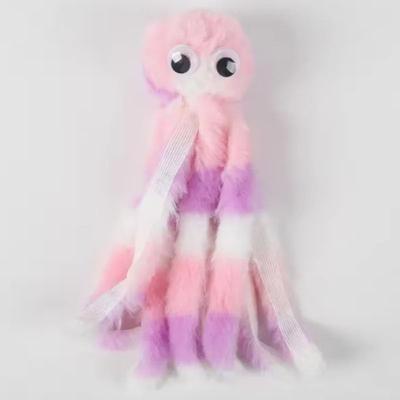
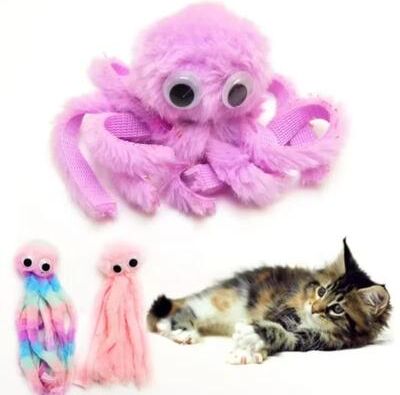
Uplifted Finds Octo Plush High Engagement Stimulator colorfulInject highintensity excitement into your pets day with the OctoPlush Stimulator, a multisensory toy engineered with tentacleflutter logic. Designed to mimic the erratic movement of aquatic prey, this 18 cm toy utilizes multistrand kinetic...33,97 $*Shipping: 0,00 $Secure redirect to the provider
-
Little Likes Kids Little Like Kids - Fubbles Bubblin Whale, Blue, Batteries Required, KidsRun, dance and play around with our cute oversized Fubbles® Bubblin Whale with continuous steams bubbles in the air! This is perfect for backyard, parks and parties.26,49 $*Shipping: 0,00 $Secure redirect to the provider
-
Uplifted Finds Orbit Flow 3 in 1 Kinetic Engagement Hub yellowMaximize your pets cognitive and physical stimulation with the OrbitFlow Kinetic Hub, a highperformance play center engineered with multitier engagement logic. This versatile system integrates three distinct predatory triggers into a single 21 cm...92,97 $*Shipping: 0,00 $Secure redirect to the provider
-
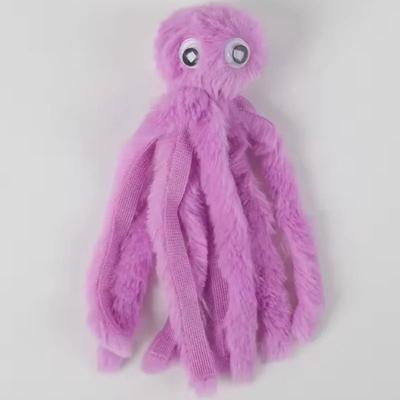
Uplifted Finds Octo Plush High Engagement Stimulator purpleInject highintensity excitement into your pets day with the OctoPlush Stimulator, a multisensory toy engineered with tentacleflutter logic. Designed to mimic the erratic movement of aquatic prey, this 18 cm toy utilizes multistrand kinetic...33,97 $*Shipping: 0,00 $Secure redirect to the provider


-
Which German loanwords are used in everyday life?
Some common German loanwords used in everyday life include "kindergarten," "angst," "delicatessen," "zeitgeist," and "wanderlust." These words have been adopted into English due to their specific meanings or lack of direct English equivalents. Additionally, words like "schadenfreude," "blitz," and "gesundheit" are also commonly used in English, reflecting the influence of German language and culture on everyday life. **
-
Which loanwords used in German originate from other languages?
German has borrowed loanwords from various languages, including English, French, and Latin. Some loanwords from English include "Computer," "Handy" (mobile phone), and "Job." From French, German has borrowed words like "Restaurant," "Boulevard," and "Café." Latin loanwords in German include terms like "Universität," "Kultur," and "Information." These loanwords have enriched the German language and reflect its history of cultural exchange with other countries. **
-
What percentage of the German language consists of loanwords?
Approximately 5-6% of the German language consists of loanwords. These loanwords come from various languages, including English, French, Latin, and Greek. The influence of these loanwords reflects the historical and cultural interactions between Germany and other countries. While the majority of the German language is of Germanic origin, the presence of loanwords adds diversity and richness to the language. **
-
What are some examples of loanwords in the German language?
Some examples of loanwords in the German language include "Computer," "Internet," and "Handy" (meaning mobile phone), which are borrowed from English. "Café" and "Restaurant" are loanwords from French, while "Schokolade" (chocolate) and "Tomate" (tomato) are borrowed from Spanish. Additionally, "Kindergarten" and "Rucksack" are loanwords from German into English and then back into German. These loanwords reflect the influence of other languages on the German vocabulary. **
What are the differences between native words, loanwords, and foreign words?
Native words are words that originate from the language itself, while loanwords are words borrowed from another language and incorporated into the native language. Foreign words are words that come from another language but are not fully integrated into the native language. Native words are usually easier to pronounce and understand for native speakers, while loanwords and foreign words may have different pronunciations and meanings that need to be learned. **
What are the differences between inherited words, loanwords, and foreign words?
Inherited words are words that have been passed down through generations within a language and are considered native to that language. Loanwords are words borrowed from another language and integrated into the borrowing language with little to no modification. Foreign words are words that come from another language and are used in their original form without being fully integrated into the borrowing language. Each type of word has a different level of integration and history within the language it is used in. **
Top-Angebote
Products related to Loanwords:
-
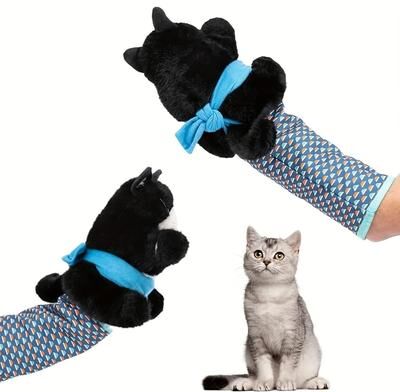
Uplifted Finds Predatory Engagement Wrestling Puppet Hub Predatory Engagement Wrestling Puppet HubTransform interactive play with the PredatoryEngagement Puppet, a professionalgrade interaction module engineered with manualsimulation logic. This highutility tool features a reinforced plush architecture and poseable limbs, specifically designed...85,97 $*Shipping: 0,00 $Secure redirect to the provider
-
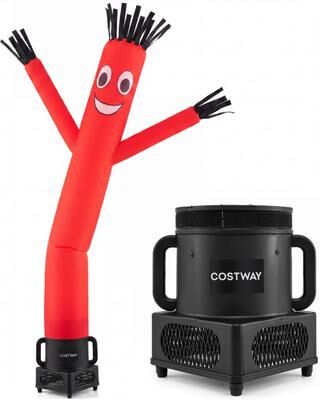
Costway 7 FT Inflatable Tube Man with Blower for Outdoor Business Promotion Store-BlackInject instant excitement into any event with this7 ft/215 cm attractive inflatable tube man featuring an iconic, energetic dance, with flowing hair, a cheerful smile, and waving arms, that captivates attention and lifts spirits.89,99 $*Shipping: 0,00 $Secure redirect to the provider
-
Uplifted Finds Octo Plush High Engagement Stimulator colorfulInject highintensity excitement into your pets day with the OctoPlush Stimulator, a multisensory toy engineered with tentacleflutter logic. Designed to mimic the erratic movement of aquatic prey, this 18 cm toy utilizes multistrand kinetic...33,97 $*Shipping: 0,00 $Secure redirect to the provider
-
Little Likes Kids Little Like Kids - Fubbles Bubblin Whale, Blue, Batteries Required, KidsRun, dance and play around with our cute oversized Fubbles® Bubblin Whale with continuous steams bubbles in the air! This is perfect for backyard, parks and parties.26,49 $*Shipping: 0,00 $Secure redirect to the provider
-
What are loanwords?
Loanwords are words borrowed from one language and incorporated into another language. These words are often adapted to fit the phonological and grammatical rules of the borrowing language. Loanwords can come from a variety of sources, including trade, cultural exchange, and colonization, and they enrich a language by adding new vocabulary and reflecting the influence of other cultures. Examples of loanwords in English include "sushi" from Japanese, "piano" from Italian, and "ballet" from French. **
-
How can one recognize Latin and French loanwords?
One can recognize Latin loanwords by looking for words that have a Latin origin, such as words related to law, science, and medicine. These words often have prefixes or suffixes that are common in Latin, such as "bi-" or "-ology." French loanwords, on the other hand, can be recognized by their pronunciation and spelling, as they often have silent letters or accents. Additionally, French loanwords are commonly found in the fields of fashion, cuisine, and the arts. **
-
Which German loanwords are used in everyday life?
Some common German loanwords used in everyday life include "kindergarten," "angst," "delicatessen," "zeitgeist," and "wanderlust." These words have been adopted into English due to their specific meanings or lack of direct English equivalents. Additionally, words like "schadenfreude," "blitz," and "gesundheit" are also commonly used in English, reflecting the influence of German language and culture on everyday life. **
-
Which loanwords used in German originate from other languages?
German has borrowed loanwords from various languages, including English, French, and Latin. Some loanwords from English include "Computer," "Handy" (mobile phone), and "Job." From French, German has borrowed words like "Restaurant," "Boulevard," and "Café." Latin loanwords in German include terms like "Universität," "Kultur," and "Information." These loanwords have enriched the German language and reflect its history of cultural exchange with other countries. **
Similar search terms for Loanwords
-
Uplifted Finds Orbit Flow 3 in 1 Kinetic Engagement Hub yellowMaximize your pets cognitive and physical stimulation with the OrbitFlow Kinetic Hub, a highperformance play center engineered with multitier engagement logic. This versatile system integrates three distinct predatory triggers into a single 21 cm...92,97 $*Shipping: 0,00 $Secure redirect to the provider
-
Uplifted Finds Octo Plush High Engagement Stimulator purpleInject highintensity excitement into your pets day with the OctoPlush Stimulator, a multisensory toy engineered with tentacleflutter logic. Designed to mimic the erratic movement of aquatic prey, this 18 cm toy utilizes multistrand kinetic...33,97 $*Shipping: 0,00 $Secure redirect to the provider
-
Uplifted Finds Octo Plush High Engagement Stimulator pinkInject highintensity excitement into your pets day with the OctoPlush Stimulator, a multisensory toy engineered with tentacleflutter logic. Designed to mimic the erratic movement of aquatic prey, this 18 cm toy utilizes multistrand kinetic...33,97 $*Shipping: 0,00 $Secure redirect to the provider
-
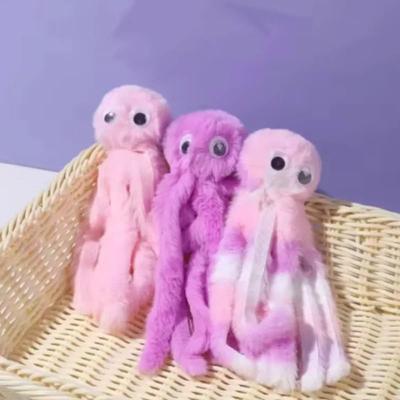
Uplifted Finds Octo Plush High Engagement Stimulator 3 PcsInject highintensity excitement into your pets day with the OctoPlush Stimulator, a multisensory toy engineered with tentacleflutter logic. Designed to mimic the erratic movement of aquatic prey, this 18 cm toy utilizes multistrand kinetic...63,97 $*Shipping: 0,00 $Secure redirect to the provider
-
What percentage of the German language consists of loanwords?
Approximately 5-6% of the German language consists of loanwords. These loanwords come from various languages, including English, French, Latin, and Greek. The influence of these loanwords reflects the historical and cultural interactions between Germany and other countries. While the majority of the German language is of Germanic origin, the presence of loanwords adds diversity and richness to the language. **
-
What are some examples of loanwords in the German language?
Some examples of loanwords in the German language include "Computer," "Internet," and "Handy" (meaning mobile phone), which are borrowed from English. "Café" and "Restaurant" are loanwords from French, while "Schokolade" (chocolate) and "Tomate" (tomato) are borrowed from Spanish. Additionally, "Kindergarten" and "Rucksack" are loanwords from German into English and then back into German. These loanwords reflect the influence of other languages on the German vocabulary. **
-
What are the differences between native words, loanwords, and foreign words?
Native words are words that originate from the language itself, while loanwords are words borrowed from another language and incorporated into the native language. Foreign words are words that come from another language but are not fully integrated into the native language. Native words are usually easier to pronounce and understand for native speakers, while loanwords and foreign words may have different pronunciations and meanings that need to be learned. **
-
What are the differences between inherited words, loanwords, and foreign words?
Inherited words are words that have been passed down through generations within a language and are considered native to that language. Loanwords are words borrowed from another language and integrated into the borrowing language with little to no modification. Foreign words are words that come from another language and are used in their original form without being fully integrated into the borrowing language. Each type of word has a different level of integration and history within the language it is used in. **
* All prices are inclusive of VAT and, if applicable, plus shipping costs. The offer information is based on the details provided by the respective shop and is updated through automated processes. Real-time updates do not occur, so deviations can occur in individual cases. ** Note: Parts of this content were created by AI.