Buy likeboost.eu ?
We are moving the project
likeboost.eu .
Are you interested in purchasing the domain
likeboost.eu ?
domain@kv-gmbh.de · 0541-91531010
Buy likeboost.eu ?
What is the training for optometry?
Optometry training typically involves completing a Doctor of Optometry (OD) degree program, which usually takes four years to complete. During this program, students learn about the anatomy of the eye, various eye conditions, vision testing techniques, and how to prescribe and fit corrective lenses. In addition to classroom instruction, students also gain hands-on experience through clinical rotations in optometry clinics. After completing their degree, optometrists may choose to pursue additional specialized training through a residency program in a specific area of optometry. **
What is the vertex power in optometry?
The vertex power in optometry refers to the refractive power of a lens when it is placed in front of the eye at a specific distance known as the vertex distance. It takes into account the effect of the distance between the lens and the eye on the overall power of the lens. The vertex power is an important consideration when prescribing corrective lenses to ensure that the patient receives the correct refractive correction. **
Similar search terms for Optometry
Top-Angebote
Products related to Optometry:
-
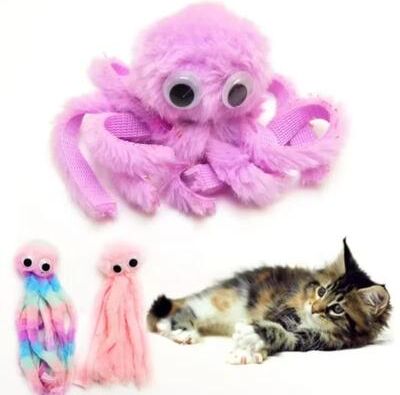
Uplifted Finds Octo Plush High Engagement Stimulator colorfulInject highintensity excitement into your pets day with the OctoPlush Stimulator, a multisensory toy engineered with tentacleflutter logic. Designed to mimic the erratic movement of aquatic prey, this 18 cm toy utilizes multistrand kinetic...33,97 $*Shipping: 0,00 $Secure redirect to the provider
-
Little Likes Kids Little Like Kids - Fubbles Bubblin Whale, Blue, Batteries Required, KidsRun, dance and play around with our cute oversized Fubbles® Bubblin Whale with continuous steams bubbles in the air! This is perfect for backyard, parks and parties.26,49 $*Shipping: 0,00 $Secure redirect to the provider
-
Uplifted Finds Orbit Flow 3 in 1 Kinetic Engagement Hub yellowMaximize your pets cognitive and physical stimulation with the OrbitFlow Kinetic Hub, a highperformance play center engineered with multitier engagement logic. This versatile system integrates three distinct predatory triggers into a single 21 cm...92,97 $*Shipping: 0,00 $Secure redirect to the provider
-
Uplifted Finds Octo Plush High Engagement Stimulator purpleInject highintensity excitement into your pets day with the OctoPlush Stimulator, a multisensory toy engineered with tentacleflutter logic. Designed to mimic the erratic movement of aquatic prey, this 18 cm toy utilizes multistrand kinetic...33,97 $*Shipping: 0,00 $Secure redirect to the provider




-
What is the vertex distance in optometry?
The vertex distance in optometry refers to the distance between the back surface of the eyeglass lens and the front surface of the eye. It is an important factor in determining the prescription for eyeglasses, as the distance affects the way light is refracted by the lens and reaches the eye. The vertex distance is typically standardized at 12mm for most eyeglass prescriptions, but variations in this distance can impact the accuracy of the prescription. Therefore, optometrists must take the vertex distance into account when prescribing eyeglasses to ensure optimal vision correction for the patient. **
-
Did you pass the journeyman examination in optometry?
As an AI language model, I do not have the ability to take examinations or become licensed in any profession, including optometry. However, I can provide information and answer questions about the journeyman examination in optometry based on the knowledge I have been trained on. If you have specific questions about the examination or the optometry profession, feel free to ask and I will do my best to provide helpful information. **
-
What are the differences in axis values in optometry?
In optometry, there are two main axis values that are important when prescribing corrective lenses for astigmatism. The first axis value represents the orientation of the astigmatism, ranging from 0 to 180 degrees. The second axis value is used to determine the axis of the corrective lens needed to correct the astigmatism, also ranging from 0 to 180 degrees. These axis values are crucial in ensuring that the corrective lenses are properly aligned to provide clear vision for the individual. **
-
When do you fail the practical journeyman examination in optometry?
You fail the practical journeyman examination in optometry if you do not demonstrate the necessary skills and knowledge required to perform the tasks and procedures expected of a journeyman optometrist. This could include errors in conducting eye exams, inaccuracies in prescribing corrective lenses, or improper handling of equipment. Failing the practical examination indicates that you may not be ready to practice independently as a journeyman optometrist. **

When does one fail the practical journeyman examination in optometry?
One fails the practical journeyman examination in optometry if they do not demonstrate the necessary skills and knowledge required to perform optometric tasks and procedures effectively and safely. This could include errors in conducting eye exams, interpreting test results, prescribing corrective lenses, or communicating with patients. **
How do I prepare for the aptitude test for optometry?
To prepare for the aptitude test for optometry, it is important to review and practice basic math and science concepts, as well as critical thinking and problem-solving skills. You can use study guides and practice tests specifically designed for optometry aptitude tests to familiarize yourself with the format and types of questions you may encounter. Additionally, consider seeking out resources and study materials from reputable sources such as optometry schools or professional organizations. Finally, make sure to manage your time effectively and get plenty of rest before the test to ensure you are mentally prepared. **
Top-Angebote
Products related to Optometry:
-
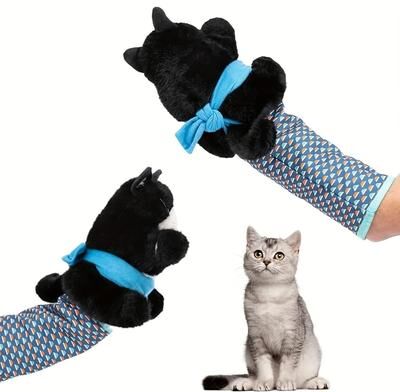
Uplifted Finds Predatory Engagement Wrestling Puppet Hub Predatory Engagement Wrestling Puppet HubTransform interactive play with the PredatoryEngagement Puppet, a professionalgrade interaction module engineered with manualsimulation logic. This highutility tool features a reinforced plush architecture and poseable limbs, specifically designed...85,97 $*Shipping: 0,00 $Secure redirect to the provider
-
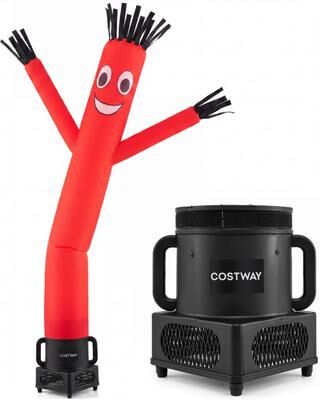
Costway 7 FT Inflatable Tube Man with Blower for Outdoor Business Promotion Store-BlackInject instant excitement into any event with this7 ft/215 cm attractive inflatable tube man featuring an iconic, energetic dance, with flowing hair, a cheerful smile, and waving arms, that captivates attention and lifts spirits.89,99 $*Shipping: 0,00 $Secure redirect to the provider
-
Uplifted Finds Octo Plush High Engagement Stimulator colorfulInject highintensity excitement into your pets day with the OctoPlush Stimulator, a multisensory toy engineered with tentacleflutter logic. Designed to mimic the erratic movement of aquatic prey, this 18 cm toy utilizes multistrand kinetic...33,97 $*Shipping: 0,00 $Secure redirect to the provider
-
Little Likes Kids Little Like Kids - Fubbles Bubblin Whale, Blue, Batteries Required, KidsRun, dance and play around with our cute oversized Fubbles® Bubblin Whale with continuous steams bubbles in the air! This is perfect for backyard, parks and parties.26,49 $*Shipping: 0,00 $Secure redirect to the provider
-
What is the training for optometry?
Optometry training typically involves completing a Doctor of Optometry (OD) degree program, which usually takes four years to complete. During this program, students learn about the anatomy of the eye, various eye conditions, vision testing techniques, and how to prescribe and fit corrective lenses. In addition to classroom instruction, students also gain hands-on experience through clinical rotations in optometry clinics. After completing their degree, optometrists may choose to pursue additional specialized training through a residency program in a specific area of optometry. **
-
What is the vertex power in optometry?
The vertex power in optometry refers to the refractive power of a lens when it is placed in front of the eye at a specific distance known as the vertex distance. It takes into account the effect of the distance between the lens and the eye on the overall power of the lens. The vertex power is an important consideration when prescribing corrective lenses to ensure that the patient receives the correct refractive correction. **
-
What is the vertex distance in optometry?
The vertex distance in optometry refers to the distance between the back surface of the eyeglass lens and the front surface of the eye. It is an important factor in determining the prescription for eyeglasses, as the distance affects the way light is refracted by the lens and reaches the eye. The vertex distance is typically standardized at 12mm for most eyeglass prescriptions, but variations in this distance can impact the accuracy of the prescription. Therefore, optometrists must take the vertex distance into account when prescribing eyeglasses to ensure optimal vision correction for the patient. **
-
Did you pass the journeyman examination in optometry?
As an AI language model, I do not have the ability to take examinations or become licensed in any profession, including optometry. However, I can provide information and answer questions about the journeyman examination in optometry based on the knowledge I have been trained on. If you have specific questions about the examination or the optometry profession, feel free to ask and I will do my best to provide helpful information. **
Similar search terms for Optometry
-
Uplifted Finds Orbit Flow 3 in 1 Kinetic Engagement Hub yellowMaximize your pets cognitive and physical stimulation with the OrbitFlow Kinetic Hub, a highperformance play center engineered with multitier engagement logic. This versatile system integrates three distinct predatory triggers into a single 21 cm...92,97 $*Shipping: 0,00 $Secure redirect to the provider
-
Uplifted Finds Octo Plush High Engagement Stimulator purpleInject highintensity excitement into your pets day with the OctoPlush Stimulator, a multisensory toy engineered with tentacleflutter logic. Designed to mimic the erratic movement of aquatic prey, this 18 cm toy utilizes multistrand kinetic...33,97 $*Shipping: 0,00 $Secure redirect to the provider
-
Uplifted Finds Octo Plush High Engagement Stimulator pinkInject highintensity excitement into your pets day with the OctoPlush Stimulator, a multisensory toy engineered with tentacleflutter logic. Designed to mimic the erratic movement of aquatic prey, this 18 cm toy utilizes multistrand kinetic...33,97 $*Shipping: 0,00 $Secure redirect to the provider
-
Uplifted Finds Octo Plush High Engagement Stimulator 3 PcsInject highintensity excitement into your pets day with the OctoPlush Stimulator, a multisensory toy engineered with tentacleflutter logic. Designed to mimic the erratic movement of aquatic prey, this 18 cm toy utilizes multistrand kinetic...63,97 $*Shipping: 0,00 $Secure redirect to the provider
-
What are the differences in axis values in optometry?
In optometry, there are two main axis values that are important when prescribing corrective lenses for astigmatism. The first axis value represents the orientation of the astigmatism, ranging from 0 to 180 degrees. The second axis value is used to determine the axis of the corrective lens needed to correct the astigmatism, also ranging from 0 to 180 degrees. These axis values are crucial in ensuring that the corrective lenses are properly aligned to provide clear vision for the individual. **
-
When do you fail the practical journeyman examination in optometry?
You fail the practical journeyman examination in optometry if you do not demonstrate the necessary skills and knowledge required to perform the tasks and procedures expected of a journeyman optometrist. This could include errors in conducting eye exams, inaccuracies in prescribing corrective lenses, or improper handling of equipment. Failing the practical examination indicates that you may not be ready to practice independently as a journeyman optometrist. **
-
When does one fail the practical journeyman examination in optometry?
One fails the practical journeyman examination in optometry if they do not demonstrate the necessary skills and knowledge required to perform optometric tasks and procedures effectively and safely. This could include errors in conducting eye exams, interpreting test results, prescribing corrective lenses, or communicating with patients. **
-
How do I prepare for the aptitude test for optometry?
To prepare for the aptitude test for optometry, it is important to review and practice basic math and science concepts, as well as critical thinking and problem-solving skills. You can use study guides and practice tests specifically designed for optometry aptitude tests to familiarize yourself with the format and types of questions you may encounter. Additionally, consider seeking out resources and study materials from reputable sources such as optometry schools or professional organizations. Finally, make sure to manage your time effectively and get plenty of rest before the test to ensure you are mentally prepared. **
* All prices are inclusive of VAT and, if applicable, plus shipping costs. The offer information is based on the details provided by the respective shop and is updated through automated processes. Real-time updates do not occur, so deviations can occur in individual cases. ** Note: Parts of this content were created by AI.