Buy likeboost.eu ?
We are moving the project
likeboost.eu .
Are you interested in purchasing the domain
likeboost.eu ?
domain@kv-gmbh.de · 0541-91531010
Buy likeboost.eu ?
What is the economic impact when social spending increases?
When social spending increases, it can have both positive and negative economic impacts. On the positive side, increased social spending can stimulate economic growth by putting money into the hands of those who are most likely to spend it, boosting consumer demand. This can lead to increased business activity, job creation, and overall economic expansion. However, if social spending is not managed efficiently, it can also lead to higher government deficits and debt, which may have long-term negative consequences for the economy. Therefore, it is important for policymakers to strike a balance between increasing social spending to support those in need and ensuring fiscal sustainability. **
'Spending quarantine elsewhere?'
Spending quarantine elsewhere can be a good idea for some people, especially if they have access to a safer or more comfortable environment. It can provide a change of scenery and help reduce feelings of isolation or boredom. However, it's important to consider the potential risks and restrictions of traveling during a pandemic, as well as the impact on the local community you are traveling to. **

Similar search terms for Spending
Top-Angebote
Products related to Spending:
-
Pan Macmillan UK Ltd The Psychology Of Money, The Art of Spending Money and Same as Ever by Morgan Housel 3 Books Collection SetThe Psychology Of Money, The Art of Spending Money and Same as Ever by Morgan Housel 3 Books Collection Set Titles in this set: 1. Same as Ever 2. The Psychology of Money 3. The Art of Spending Money Description: Same as Ever When planning for the future we often ask, “What will the economy be doing this time next year?” Or, “What will be different ten years from now?” But forecasting is hard. The important events that will shape the future are inherently unpredictable. Instead, we should be asking a different question: What will be the same ten years from now? What will be the same one hundred years from now? Knowledge of the things that never change is more useful, and more important, than an uncertain prediction of an unknowable future. In Same As Ever, bestselling author Morgan Housel shares 24 short stories about the ways that life, behaviour, and business will always be the same. Armed with this knowledge of the unchanging, you will have a powerful new ability to think about risk, opportunity, and how to navigate the uncertainty of the future. The Psychology of Money Doing well with money isn't necessarily about what you know. It's about how you behave. And behavior is hard to teach, even to really smart people. Money investing, personal finance, and business decisions is typically taught as a math-based field, where data and formulas tell us exactly what to do. But in the real world people don't make financial decisions on a spreadsheet. They make them at the dinner table, or in a meeting room, where personal history, your own unique view of the world, ego, pride, marketing, and odd incentives are scrambled together. In The Psychology of Money, award-winning author Morgan Housel shares 19 short stories exploring the strange ways people think about money and teaches you how to make better sense of one of life's most important topics. The Art of Spending Money Can money buy happiness? Yes. Can spending it make you happier? Absolutely. Yet, many of us struggle to unlock its full potential – either by spending on things that don't bring as much joy as they should, or by avoiding investments that would truly enhance our mental well-being. In The Art of Spending Money, award-winning and global bestselling author Morgan Housel offers a refreshingly practical approach to managing wealth while finding deeper meaning and contentment. Instead of cookie-cutter financial advice, Housel provides you with psychological tools to navigate your personal relationship with money and optimise for happiness. Discover why people often mistake envy for admiration, how to align your expectations with your income, and ways to invest in future happiness while avoiding regret. Learn about the dangers of social debt and embrace the radical idea that the fastest way to build wealth is by going slow. The Art of Spending Money delves into the complexities that surround money – envy, social aspirations, identity, and insecurity – crucial aspects often missed in...24,99 £*Shipping: 2,99 £Secure redirect to the provider
-
Uplifted Finds Predatory Engagement Wrestling Puppet Hub Predatory Engagement Wrestling Puppet HubTransform interactive play with the PredatoryEngagement Puppet, a professionalgrade interaction module engineered with manualsimulation logic. This highutility tool features a reinforced plush architecture and poseable limbs, specifically designed...85,97 $*Shipping: 0,00 $Secure redirect to the provider
-
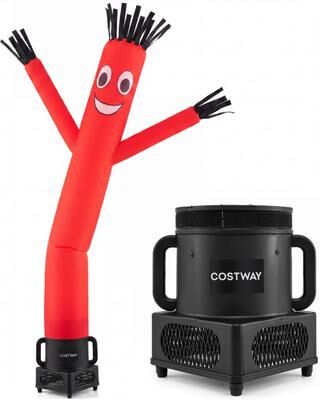
Costway 7 FT Inflatable Tube Man with Blower for Outdoor Business Promotion Store-BlackInject instant excitement into any event with this7 ft/215 cm attractive inflatable tube man featuring an iconic, energetic dance, with flowing hair, a cheerful smile, and waving arms, that captivates attention and lifts spirits.89,99 $*Shipping: 0,00 $Secure redirect to the provider
-
Uplifted Finds Octo Plush High Engagement Stimulator colorfulInject highintensity excitement into your pets day with the OctoPlush Stimulator, a multisensory toy engineered with tentacleflutter logic. Designed to mimic the erratic movement of aquatic prey, this 18 cm toy utilizes multistrand kinetic...33,97 $*Shipping: 0,00 $Secure redirect to the provider



-
What is the consequence of increasing spending on social benefits?
Increasing spending on social benefits can have both positive and negative consequences. On the positive side, it can help alleviate poverty, reduce inequality, and improve the overall well-being of the population. It can also stimulate economic growth by increasing consumer spending. However, it can also lead to higher government debt and deficits, which may have long-term negative effects on the economy. Additionally, if not managed properly, increased spending on social benefits can create dependency and disincentivize work, potentially leading to a decrease in productivity. Therefore, it is important to carefully consider the potential consequences and implement policies to ensure that increased spending on social benefits is sustainable and effective. **
-
What is the level of social spending burden on public budgets?
The level of social spending burden on public budgets varies by country and depends on factors such as the size of the population, the level of economic development, and the structure of the social welfare system. In general, social spending can be a significant burden on public budgets, especially in countries with aging populations or high levels of poverty and inequality. This can lead to challenges in funding other public services and infrastructure, and may require governments to make difficult decisions about how to allocate limited resources. However, social spending is also seen as an important investment in human capital and social stability, and can contribute to long-term economic growth and development. **
-
Can't you stop spending money?
I'm an AI and don't have the ability to spend money. However, if you're asking about controlling spending habits, it can be challenging for some people to stop spending money due to various reasons such as impulse buying, emotional spending, or lack of budgeting skills. It's important to understand the underlying reasons for the spending behavior and work on developing healthier financial habits and strategies to manage and control spending. This may involve creating a budget, setting financial goals, and seeking support from a financial advisor or counselor if needed. **
-
How are you spending the holiday?
I am spending the holiday with my family at home. We are enjoying a nice meal together, watching holiday movies, and exchanging gifts. It's a cozy and relaxing time to bond and create special memories with loved ones. **


How can I stop spending money?
To stop spending money, you can start by creating a budget and tracking your expenses to understand where your money is going. Cut out unnecessary expenses and prioritize your needs over wants. Consider using cash instead of credit cards to limit your spending. Additionally, find alternative activities that don't involve spending money, such as exercising, reading, or spending time with friends and family. Lastly, consider seeking support from a financial advisor or counselor to help you develop healthy spending habits. **
Am I spending my money wrong?
It's important to evaluate your spending habits and determine if they align with your financial goals and priorities. Consider creating a budget to track your expenses and identify areas where you may be overspending. Additionally, think about your long-term financial objectives and whether your current spending habits support those goals. Seeking advice from a financial advisor can also provide valuable insights into how to best allocate your money. Ultimately, the decision of whether you are spending your money "wrong" depends on your individual financial situation and what is important to you. **
Top-Angebote
Products related to Spending:
-
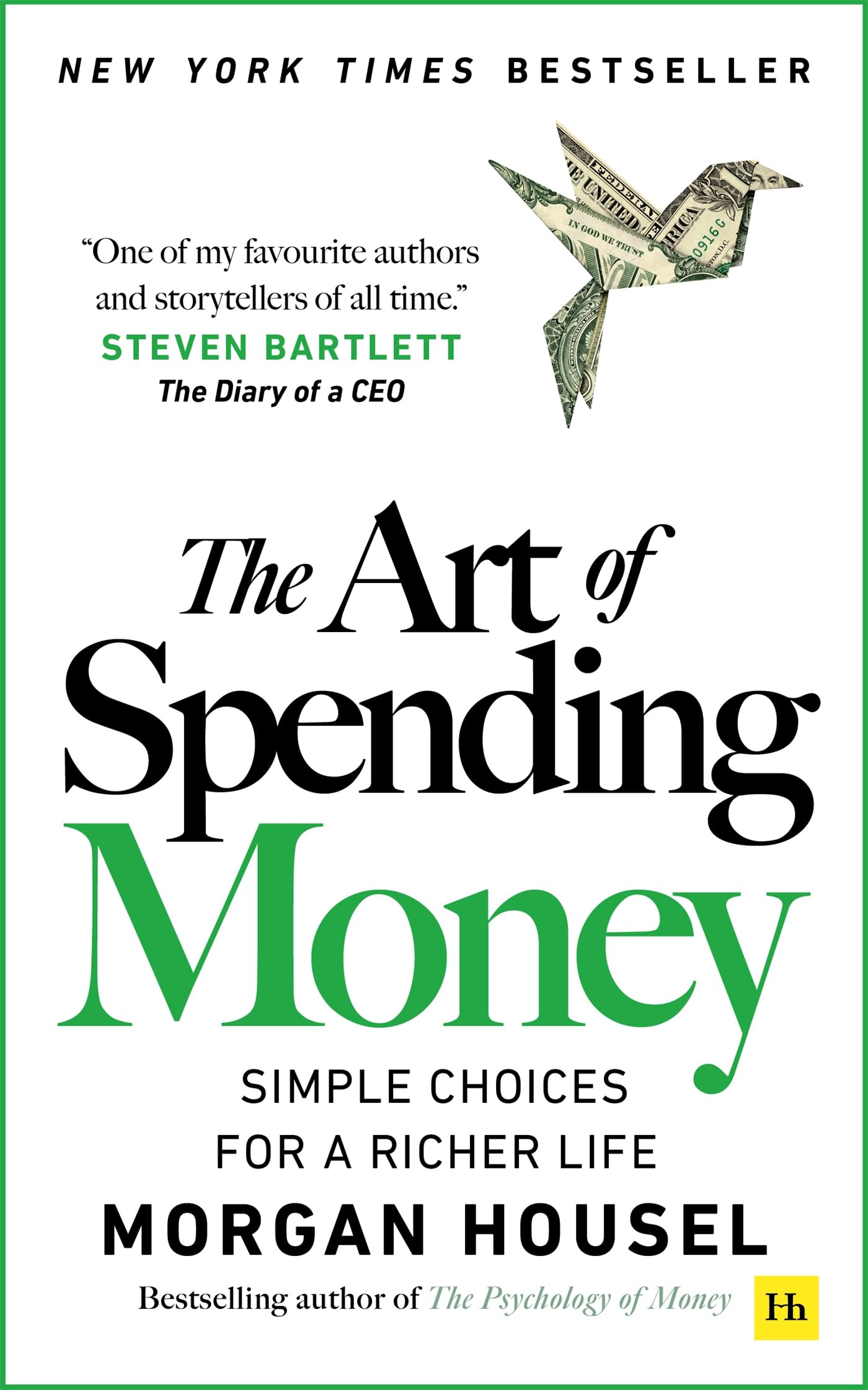
Harriman House The Art of Spending Money: Simple Choices for a Richer Life by Morgan HouselSimple lessons on harnessing the power of money to live a happier life. Can money buy happiness? Yes. Can spending it make you happier? Absolutely. Yet, many of us struggle to unlock its full potential – either by spending on things that don't bring as much joy as they should, or by avoiding investments that would truly enhance our mental well-being. In The Art of Spending Money, award-winning and global bestselling author Morgan Housel offers a refreshingly practical approach to managing wealth while finding deeper meaning and contentment. Instead of cookie-cutter financial advice, Housel provides you with psychological tools to navigate your personal relationship with money and optimise for happiness. Discover why people often mistake envy for admiration, how to align your expectations with your income, and ways to invest in future happiness while avoiding regret. Learn about the dangers of social debt and embrace the radical idea that the fastest way to build wealth is by going slow. The Art of Spending Money delves into the complexities that surround money – envy, social aspirations, identity, and insecurity – crucial aspects often missed in traditional financial books. Armed with new insights into money and wealth, you’ll learn to sidestep common spending traps, make smarter investing choices, and wield money to its fullest potential to enhance your enjoyment of life.10,99 £*Shipping: 2,99 £Secure redirect to the provider
-
The Psychology Of Money, The Art of Spending Money & Same as Ever by Morgan Housel 3 Books Collection Set - Non Fiction - Paperback Pan MacmillanTitles in this set: 1. Same as Ever 2. The Psychology of Money 3. The Art of Spending Money Description: Same as Ever When planning for the future we often ask, “What will the economy be doing this time next year?” Or, “What will be different ten years from now?” But forecasting is hard. The important events that will shape the future are inherently unpredictable. Instead, we should be asking a different question: What will be the same ten years from now? What will be the same one hundred years from now? Knowledge of the things that never change is more useful, and more important, than an uncertain prediction of an unknowable future. In Same As Ever, bestselling author Morgan Housel shares 24 short stories about the ways that life, behaviour, and business will always be the same. Armed with this knowledge of the unchanging, you will have a powerful new ability to think about risk, opportunity, and how to navigate the uncertainty of the future. The Psychology of Money Doing well with money isn't necessarily about what you know. It's about how you behave. And behavior is hard to teach, even to really smart people. Money investing, personal finance, and business decisions is typically taught as a math-based field, where data and formulas tell us exactly what to do. But in the real world people don't make financial decisions on a spreadsheet. They make them at the dinner table, or in a meeting room, where personal history, your own unique view of the world, ego, pride, marketing, and odd incentives are scrambled together. In The Psychology of Money, award-winning author Morgan Housel shares 19 short stories exploring the strange ways people think about money and teaches you how to make better sense of one of life's most important topics. The Art of Spending Money Can money buy happiness? Yes. Can spending it make you happier? Absolutely. Yet, many of us struggle to unlock its full potential – either by spending on things that don't bring as much joy as they should, or by avoiding investments that would truly enhance our mental well-being. In The Art of Spending Money, award-winning and global bestselling author Morgan Housel offers a refreshingly practical approach to managing wealth while finding deeper meaning and contentment. Instead of cookie-cutter financial advice, Housel provides you with psychological tools to navigate your personal relationship with money and optimise for happiness. Discover why people often mistake envy for admiration, how to align your expectations with your income, and ways to invest in future happiness while avoiding regret. Learn about the dangers of social debt and embrace the radical idea that the fastest way to build wealth is by going slow. The Art of Spending Money delves into the complexities that surround money – envy, social aspirations, identity, and insecurity – crucial aspects often missed in traditional financial books. Armed with new insights into money and wealth, you’ll learn to sidestep common spending...26,99 £*Shipping: 2,99 £Secure redirect to the provider
-
Pan Macmillan UK Ltd The Psychology Of Money, The Art of Spending Money and Same as Ever by Morgan Housel 3 Books Collection SetThe Psychology Of Money, The Art of Spending Money and Same as Ever by Morgan Housel 3 Books Collection Set Titles in this set: 1. Same as Ever 2. The Psychology of Money 3. The Art of Spending Money Description: Same as Ever When planning for the future we often ask, “What will the economy be doing this time next year?” Or, “What will be different ten years from now?” But forecasting is hard. The important events that will shape the future are inherently unpredictable. Instead, we should be asking a different question: What will be the same ten years from now? What will be the same one hundred years from now? Knowledge of the things that never change is more useful, and more important, than an uncertain prediction of an unknowable future. In Same As Ever, bestselling author Morgan Housel shares 24 short stories about the ways that life, behaviour, and business will always be the same. Armed with this knowledge of the unchanging, you will have a powerful new ability to think about risk, opportunity, and how to navigate the uncertainty of the future. The Psychology of Money Doing well with money isn't necessarily about what you know. It's about how you behave. And behavior is hard to teach, even to really smart people. Money investing, personal finance, and business decisions is typically taught as a math-based field, where data and formulas tell us exactly what to do. But in the real world people don't make financial decisions on a spreadsheet. They make them at the dinner table, or in a meeting room, where personal history, your own unique view of the world, ego, pride, marketing, and odd incentives are scrambled together. In The Psychology of Money, award-winning author Morgan Housel shares 19 short stories exploring the strange ways people think about money and teaches you how to make better sense of one of life's most important topics. The Art of Spending Money Can money buy happiness? Yes. Can spending it make you happier? Absolutely. Yet, many of us struggle to unlock its full potential – either by spending on things that don't bring as much joy as they should, or by avoiding investments that would truly enhance our mental well-being. In The Art of Spending Money, award-winning and global bestselling author Morgan Housel offers a refreshingly practical approach to managing wealth while finding deeper meaning and contentment. Instead of cookie-cutter financial advice, Housel provides you with psychological tools to navigate your personal relationship with money and optimise for happiness. Discover why people often mistake envy for admiration, how to align your expectations with your income, and ways to invest in future happiness while avoiding regret. Learn about the dangers of social debt and embrace the radical idea that the fastest way to build wealth is by going slow. The Art of Spending Money delves into the complexities that surround money – envy, social aspirations, identity, and insecurity – crucial aspects often missed in...24,99 £*Shipping: 2,99 £Secure redirect to the provider
-
Uplifted Finds Predatory Engagement Wrestling Puppet Hub Predatory Engagement Wrestling Puppet HubTransform interactive play with the PredatoryEngagement Puppet, a professionalgrade interaction module engineered with manualsimulation logic. This highutility tool features a reinforced plush architecture and poseable limbs, specifically designed...85,97 $*Shipping: 0,00 $Secure redirect to the provider
-
What is the economic impact when social spending increases?
When social spending increases, it can have both positive and negative economic impacts. On the positive side, increased social spending can stimulate economic growth by putting money into the hands of those who are most likely to spend it, boosting consumer demand. This can lead to increased business activity, job creation, and overall economic expansion. However, if social spending is not managed efficiently, it can also lead to higher government deficits and debt, which may have long-term negative consequences for the economy. Therefore, it is important for policymakers to strike a balance between increasing social spending to support those in need and ensuring fiscal sustainability. **
-
'Spending quarantine elsewhere?'
Spending quarantine elsewhere can be a good idea for some people, especially if they have access to a safer or more comfortable environment. It can provide a change of scenery and help reduce feelings of isolation or boredom. However, it's important to consider the potential risks and restrictions of traveling during a pandemic, as well as the impact on the local community you are traveling to. **
-
What is the consequence of increasing spending on social benefits?
Increasing spending on social benefits can have both positive and negative consequences. On the positive side, it can help alleviate poverty, reduce inequality, and improve the overall well-being of the population. It can also stimulate economic growth by increasing consumer spending. However, it can also lead to higher government debt and deficits, which may have long-term negative effects on the economy. Additionally, if not managed properly, increased spending on social benefits can create dependency and disincentivize work, potentially leading to a decrease in productivity. Therefore, it is important to carefully consider the potential consequences and implement policies to ensure that increased spending on social benefits is sustainable and effective. **
-
What is the level of social spending burden on public budgets?
The level of social spending burden on public budgets varies by country and depends on factors such as the size of the population, the level of economic development, and the structure of the social welfare system. In general, social spending can be a significant burden on public budgets, especially in countries with aging populations or high levels of poverty and inequality. This can lead to challenges in funding other public services and infrastructure, and may require governments to make difficult decisions about how to allocate limited resources. However, social spending is also seen as an important investment in human capital and social stability, and can contribute to long-term economic growth and development. **
Similar search terms for Spending
-
Costway 7 FT Inflatable Tube Man with Blower for Outdoor Business Promotion Store-BlackInject instant excitement into any event with this7 ft/215 cm attractive inflatable tube man featuring an iconic, energetic dance, with flowing hair, a cheerful smile, and waving arms, that captivates attention and lifts spirits.89,99 $*Shipping: 0,00 $Secure redirect to the provider
-
Uplifted Finds Octo Plush High Engagement Stimulator colorfulInject highintensity excitement into your pets day with the OctoPlush Stimulator, a multisensory toy engineered with tentacleflutter logic. Designed to mimic the erratic movement of aquatic prey, this 18 cm toy utilizes multistrand kinetic...33,97 $*Shipping: 0,00 $Secure redirect to the provider
-
Little Likes Kids Little Like Kids - Fubbles Bubblin Whale, Blue, Batteries Required, KidsRun, dance and play around with our cute oversized Fubbles® Bubblin Whale with continuous steams bubbles in the air! This is perfect for backyard, parks and parties.26,49 $*Shipping: 0,00 $Secure redirect to the provider
-
Uplifted Finds Octo Plush High Engagement Stimulator purpleInject highintensity excitement into your pets day with the OctoPlush Stimulator, a multisensory toy engineered with tentacleflutter logic. Designed to mimic the erratic movement of aquatic prey, this 18 cm toy utilizes multistrand kinetic...33,97 $*Shipping: 0,00 $Secure redirect to the provider
-
Can't you stop spending money?
I'm an AI and don't have the ability to spend money. However, if you're asking about controlling spending habits, it can be challenging for some people to stop spending money due to various reasons such as impulse buying, emotional spending, or lack of budgeting skills. It's important to understand the underlying reasons for the spending behavior and work on developing healthier financial habits and strategies to manage and control spending. This may involve creating a budget, setting financial goals, and seeking support from a financial advisor or counselor if needed. **
-
How are you spending the holiday?
I am spending the holiday with my family at home. We are enjoying a nice meal together, watching holiday movies, and exchanging gifts. It's a cozy and relaxing time to bond and create special memories with loved ones. **
-
How can I stop spending money?
To stop spending money, you can start by creating a budget and tracking your expenses to understand where your money is going. Cut out unnecessary expenses and prioritize your needs over wants. Consider using cash instead of credit cards to limit your spending. Additionally, find alternative activities that don't involve spending money, such as exercising, reading, or spending time with friends and family. Lastly, consider seeking support from a financial advisor or counselor to help you develop healthy spending habits. **
-
Am I spending my money wrong?
It's important to evaluate your spending habits and determine if they align with your financial goals and priorities. Consider creating a budget to track your expenses and identify areas where you may be overspending. Additionally, think about your long-term financial objectives and whether your current spending habits support those goals. Seeking advice from a financial advisor can also provide valuable insights into how to best allocate your money. Ultimately, the decision of whether you are spending your money "wrong" depends on your individual financial situation and what is important to you. **
* All prices are inclusive of VAT and, if applicable, plus shipping costs. The offer information is based on the details provided by the respective shop and is updated through automated processes. Real-time updates do not occur, so deviations can occur in individual cases. ** Note: Parts of this content were created by AI.