Buy likeboost.eu ?
We are moving the project
likeboost.eu .
Are you interested in purchasing the domain
likeboost.eu ?
domain@kv-gmbh.de · 0541-91531010
Buy likeboost.eu ?
How to create a titration curve of a conductivity titration?
To create a titration curve of a conductivity titration, you would first need to set up your titration apparatus with a conductivity meter. Begin by measuring the initial conductivity of the solution being titrated. As you add titrant incrementally, record the conductivity at each point. Plot the conductivity values against the volume of titrant added to create a titration curve. The curve will typically show a sharp increase in conductivity at the equivalence point, allowing you to determine the endpoint of the titration. **
How does a titration with the degree of titration work?
A titration with the degree of titration works by gradually adding a titrant of known concentration to a solution of the analyte until the reaction between the two is complete. The point at which the reaction is complete is determined by using an indicator or a pH meter. The amount of titrant required to reach this point is used to calculate the concentration of the analyte in the original solution. The degree of titration refers to the extent to which the reaction has progressed and is typically expressed as a percentage. **

Similar search terms for Titration
Top-Angebote
Products related to Titration:
-
Uplifted Finds Octo Plush High Engagement Stimulator colorfulInject highintensity excitement into your pets day with the OctoPlush Stimulator, a multisensory toy engineered with tentacleflutter logic. Designed to mimic the erratic movement of aquatic prey, this 18 cm toy utilizes multistrand kinetic...33,97 $*Shipping: 0,00 $Secure redirect to the provider
-
Little Likes Kids Little Like Kids - Fubbles Bubblin Whale, Blue, Batteries Required, KidsRun, dance and play around with our cute oversized Fubbles® Bubblin Whale with continuous steams bubbles in the air! This is perfect for backyard, parks and parties.26,49 $*Shipping: 0,00 $Secure redirect to the provider
-
Uplifted Finds Orbit Flow 3 in 1 Kinetic Engagement Hub yellowMaximize your pets cognitive and physical stimulation with the OrbitFlow Kinetic Hub, a highperformance play center engineered with multitier engagement logic. This versatile system integrates three distinct predatory triggers into a single 21 cm...92,97 $*Shipping: 0,00 $Secure redirect to the provider
-
Uplifted Finds Octo Plush High Engagement Stimulator purpleInject highintensity excitement into your pets day with the OctoPlush Stimulator, a multisensory toy engineered with tentacleflutter logic. Designed to mimic the erratic movement of aquatic prey, this 18 cm toy utilizes multistrand kinetic...33,97 $*Shipping: 0,00 $Secure redirect to the provider




-
How does titration work?
Titration is a technique used in chemistry to determine the concentration of a specific substance in a solution. It involves slowly adding a solution of known concentration (titrant) to a solution of unknown concentration until the reaction between the two is complete. This is typically indicated by a color change or other observable change. By measuring the volume of titrant required to reach the endpoint, the concentration of the unknown solution can be calculated using stoichiometry. **
-
What is a titration?
A titration is a laboratory technique used to determine the concentration of a specific substance in a solution. It involves slowly adding a solution of known concentration (titrant) to a solution of unknown concentration until the reaction between the two is complete. The point at which the reaction is complete is called the equivalence point, which is used to calculate the concentration of the unknown solution. Titration is commonly used in chemistry for various purposes, such as determining the acidity or alkalinity of a solution. **
-
Can the titration volume be calculated without having performed the titration beforehand?
No, the titration volume cannot be accurately calculated without having performed the titration beforehand. The titration volume is determined by the amount of titrant needed to reach the equivalence point, which can only be determined through the actual titration process. The titration volume is a crucial parameter in determining the concentration of the analyte in the sample, so it is essential to perform the titration to obtain this information accurately. **
-
What does a titration curve look like when no titration is performed?
When no titration is performed, a titration curve would simply be a straight horizontal line at the initial pH of the solution being tested. This is because there would be no addition of titrant to cause any changes in pH. The curve would remain flat and unchanging until a titrant is added to initiate the titration process. **

What is the difference between a pH-metric titration and an indicator titration?
A pH-metric titration involves the use of a pH meter to measure the pH of a solution as a titrant is added to it. This allows for a precise determination of the equivalence point of the titration. On the other hand, an indicator titration uses a chemical indicator that changes color at or near the equivalence point to signal the end of the titration. While pH-metric titrations provide more accurate and precise results, indicator titrations are simpler and more commonly used in introductory chemistry labs. **
What is a back titration?
A back titration is a technique used in analytical chemistry to determine the concentration of an analyte that reacts slowly or incompletely with a direct titration method. It involves adding an excess of a known reagent to the analyte, allowing the reaction to proceed, and then titrating the excess reagent that did not react with a second titrant. By measuring the amount of the second titrant required to react with the excess reagent, the concentration of the analyte can be calculated. Back titrations are particularly useful when the analyte is volatile, weakly acidic or basic, or when there are interfering substances present. **
Top-Angebote
Products related to Titration:
-
Uplifted Finds Predatory Engagement Wrestling Puppet Hub Predatory Engagement Wrestling Puppet HubTransform interactive play with the PredatoryEngagement Puppet, a professionalgrade interaction module engineered with manualsimulation logic. This highutility tool features a reinforced plush architecture and poseable limbs, specifically designed...85,97 $*Shipping: 0,00 $Secure redirect to the provider
-
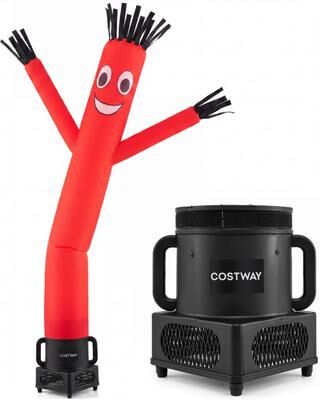
Costway 7 FT Inflatable Tube Man with Blower for Outdoor Business Promotion Store-BlackInject instant excitement into any event with this7 ft/215 cm attractive inflatable tube man featuring an iconic, energetic dance, with flowing hair, a cheerful smile, and waving arms, that captivates attention and lifts spirits.89,99 $*Shipping: 0,00 $Secure redirect to the provider
-
Uplifted Finds Octo Plush High Engagement Stimulator colorfulInject highintensity excitement into your pets day with the OctoPlush Stimulator, a multisensory toy engineered with tentacleflutter logic. Designed to mimic the erratic movement of aquatic prey, this 18 cm toy utilizes multistrand kinetic...33,97 $*Shipping: 0,00 $Secure redirect to the provider
-
Little Likes Kids Little Like Kids - Fubbles Bubblin Whale, Blue, Batteries Required, KidsRun, dance and play around with our cute oversized Fubbles® Bubblin Whale with continuous steams bubbles in the air! This is perfect for backyard, parks and parties.26,49 $*Shipping: 0,00 $Secure redirect to the provider
-
How to create a titration curve of a conductivity titration?
To create a titration curve of a conductivity titration, you would first need to set up your titration apparatus with a conductivity meter. Begin by measuring the initial conductivity of the solution being titrated. As you add titrant incrementally, record the conductivity at each point. Plot the conductivity values against the volume of titrant added to create a titration curve. The curve will typically show a sharp increase in conductivity at the equivalence point, allowing you to determine the endpoint of the titration. **
-
How does a titration with the degree of titration work?
A titration with the degree of titration works by gradually adding a titrant of known concentration to a solution of the analyte until the reaction between the two is complete. The point at which the reaction is complete is determined by using an indicator or a pH meter. The amount of titrant required to reach this point is used to calculate the concentration of the analyte in the original solution. The degree of titration refers to the extent to which the reaction has progressed and is typically expressed as a percentage. **
-
How does titration work?
Titration is a technique used in chemistry to determine the concentration of a specific substance in a solution. It involves slowly adding a solution of known concentration (titrant) to a solution of unknown concentration until the reaction between the two is complete. This is typically indicated by a color change or other observable change. By measuring the volume of titrant required to reach the endpoint, the concentration of the unknown solution can be calculated using stoichiometry. **
-
What is a titration?
A titration is a laboratory technique used to determine the concentration of a specific substance in a solution. It involves slowly adding a solution of known concentration (titrant) to a solution of unknown concentration until the reaction between the two is complete. The point at which the reaction is complete is called the equivalence point, which is used to calculate the concentration of the unknown solution. Titration is commonly used in chemistry for various purposes, such as determining the acidity or alkalinity of a solution. **
Similar search terms for Titration
-
Uplifted Finds Orbit Flow 3 in 1 Kinetic Engagement Hub yellowMaximize your pets cognitive and physical stimulation with the OrbitFlow Kinetic Hub, a highperformance play center engineered with multitier engagement logic. This versatile system integrates three distinct predatory triggers into a single 21 cm...92,97 $*Shipping: 0,00 $Secure redirect to the provider
-
Uplifted Finds Octo Plush High Engagement Stimulator purpleInject highintensity excitement into your pets day with the OctoPlush Stimulator, a multisensory toy engineered with tentacleflutter logic. Designed to mimic the erratic movement of aquatic prey, this 18 cm toy utilizes multistrand kinetic...33,97 $*Shipping: 0,00 $Secure redirect to the provider
-
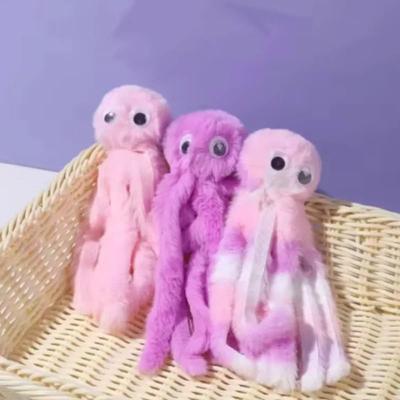
Uplifted Finds Octo Plush High Engagement Stimulator pinkInject highintensity excitement into your pets day with the OctoPlush Stimulator, a multisensory toy engineered with tentacleflutter logic. Designed to mimic the erratic movement of aquatic prey, this 18 cm toy utilizes multistrand kinetic...33,97 $*Shipping: 0,00 $Secure redirect to the provider
-
Uplifted Finds Octo Plush High Engagement Stimulator 3 PcsInject highintensity excitement into your pets day with the OctoPlush Stimulator, a multisensory toy engineered with tentacleflutter logic. Designed to mimic the erratic movement of aquatic prey, this 18 cm toy utilizes multistrand kinetic...63,97 $*Shipping: 0,00 $Secure redirect to the provider
-
Can the titration volume be calculated without having performed the titration beforehand?
No, the titration volume cannot be accurately calculated without having performed the titration beforehand. The titration volume is determined by the amount of titrant needed to reach the equivalence point, which can only be determined through the actual titration process. The titration volume is a crucial parameter in determining the concentration of the analyte in the sample, so it is essential to perform the titration to obtain this information accurately. **
-
What does a titration curve look like when no titration is performed?
When no titration is performed, a titration curve would simply be a straight horizontal line at the initial pH of the solution being tested. This is because there would be no addition of titrant to cause any changes in pH. The curve would remain flat and unchanging until a titrant is added to initiate the titration process. **
-
What is the difference between a pH-metric titration and an indicator titration?
A pH-metric titration involves the use of a pH meter to measure the pH of a solution as a titrant is added to it. This allows for a precise determination of the equivalence point of the titration. On the other hand, an indicator titration uses a chemical indicator that changes color at or near the equivalence point to signal the end of the titration. While pH-metric titrations provide more accurate and precise results, indicator titrations are simpler and more commonly used in introductory chemistry labs. **
-
What is a back titration?
A back titration is a technique used in analytical chemistry to determine the concentration of an analyte that reacts slowly or incompletely with a direct titration method. It involves adding an excess of a known reagent to the analyte, allowing the reaction to proceed, and then titrating the excess reagent that did not react with a second titrant. By measuring the amount of the second titrant required to react with the excess reagent, the concentration of the analyte can be calculated. Back titrations are particularly useful when the analyte is volatile, weakly acidic or basic, or when there are interfering substances present. **
* All prices are inclusive of VAT and, if applicable, plus shipping costs. The offer information is based on the details provided by the respective shop and is updated through automated processes. Real-time updates do not occur, so deviations can occur in individual cases. ** Note: Parts of this content were created by AI.