Buy likeboost.eu ?
We are moving the project
likeboost.eu .
Are you interested in purchasing the domain
likeboost.eu ?
domain@kv-gmbh.de · 0541-91531010
Buy likeboost.eu ?
What is the boost pressure in production cars?
The boost pressure in production cars typically ranges from 6 to 15 psi (pounds per square inch). This level of boost pressure is considered safe for most stock engines and allows for increased power and performance without compromising the engine's reliability. Some high-performance production cars may have higher boost pressures, but they are usually designed with reinforced components to handle the increased stress. **
What is the boost pressure in stock cars?
The boost pressure in stock cars typically ranges from 6 to 10 psi (pounds per square inch). This level of boost pressure is carefully calibrated by the car manufacturer to optimize performance while ensuring the engine's reliability and longevity. Higher boost pressures can be achieved through modifications, but this can put additional stress on the engine components and may require other upgrades to support the increased pressure. **

Similar search terms for Cars
Top-Angebote
Products related to Cars:
-
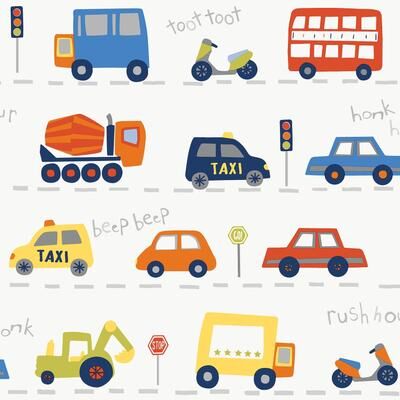
Advantage Road Traffic Red Cars WallpaperBeep beep! Road Traffic features all the vehicles you'll see driving around, but simplified with cartoon-like stylings. Featured here in red, orange, blue, navy, lime green, grey, and yellow against white.71,99 $*Shipping: 0,00 $Secure redirect to the provider
-
Stokke Tripp Trapp Bundle - Orange/Retro Cars---Specs Tables Start---SpecificationsSeat Weight: 15.4 lbsUsage Age: 6 months and upMax. weight capacity: 300 lbsDimensions: 19.3 L x 31 H x 18 WWhat's Included: Tray, baby set, cushion---Specs Tables End--- Highly Adjustable The Stokke Tripp Trapp...279,20 $*Shipping: 0,00 $Secure redirect to the provider



-
What is better: diesel cars, gasoline cars, natural gas cars, or electric cars?
The answer to this question depends on various factors such as individual preferences, driving habits, and environmental considerations. Diesel cars are known for their fuel efficiency and torque, making them suitable for long-distance driving. Gasoline cars are widely available and offer good performance, but they produce more emissions than diesel cars. Natural gas cars are cleaner than diesel and gasoline cars, but they are not as widely available and may require infrastructure for refueling. Electric cars are the most environmentally friendly option, producing zero emissions, but they may have limited range and longer refueling times. Ultimately, the best choice depends on the specific needs and priorities of the driver. **
-
Are Formula 1 cars automatic cars?
No, Formula 1 cars are not automatic cars. They are equipped with semi-automatic gearboxes that are operated by the driver using paddle shifters behind the steering wheel. The driver still has control over when to shift gears, unlike in automatic cars where the transmission shifts gears automatically. Formula 1 cars require precise gear changes to optimize performance on the track. **
-
Are all Japanese cars JDM cars?
No, not all Japanese cars are considered JDM (Japanese Domestic Market) cars. JDM cars specifically refer to vehicles that are produced for the Japanese domestic market and may have unique features or specifications tailored to that market. Japanese car manufacturers also produce vehicles for export to other countries, which may have different specifications and features compared to their JDM counterparts. Therefore, while all JDM cars are Japanese cars, not all Japanese cars are JDM cars. **
-
Will 90s cars become classic cars?
Yes, 90s cars are already starting to be considered classic cars by some enthusiasts and collectors. As time goes on, the nostalgia for 90s cars will likely grow, leading to an increase in their value and desirability. Many 90s cars are already becoming sought after by collectors who appreciate their unique designs, technological advancements, and cultural significance. Therefore, it is very likely that 90s cars will continue to gain classic status in the future. **


What is social engagement?
Social engagement refers to the interaction and participation of individuals within a community or society. It involves actively connecting with others, contributing to the well-being of the community, and being involved in social activities and causes. Social engagement can take many forms, such as volunteering, participating in community events, and advocating for social issues. It is an important aspect of building strong and supportive communities and fostering a sense of belonging and connection among individuals. **
Internship or social engagement?
Choosing between an internship and social engagement depends on your goals and priorities. If you are looking to gain professional experience and build your resume, an internship may be the better option. However, if you are passionate about making a difference in your community and want to contribute to social causes, then social engagement could be more fulfilling. Ultimately, it's important to consider what will benefit you the most in the long run and align with your values and interests. **
Top-Angebote
Products related to Cars:
-
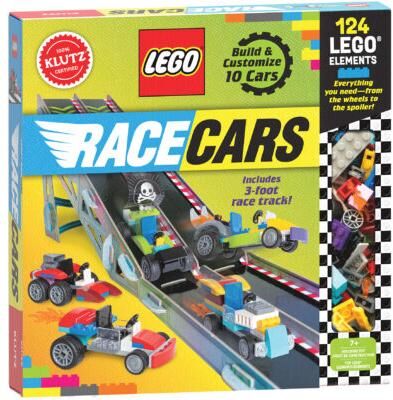
Klutz LEGO: Race CarsThe ultimate kit for LEGO fans and car enthusiasts alike! Assemble a high-quality chipboard track to set the scene for your LEGO derby, then build 10 LEGO race cars with step-by-step instructions and pit them against each other. Who will...29,99 $*Shipping: 0,00 $Secure redirect to the provider
-
Advantage Road Traffic Red Cars WallpaperBeep beep! Road Traffic features all the vehicles you'll see driving around, but simplified with cartoon-like stylings. Featured here in red, orange, blue, navy, lime green, grey, and yellow against white.71,99 $*Shipping: 0,00 $Secure redirect to the provider
-
What is the boost pressure in production cars?
The boost pressure in production cars typically ranges from 6 to 15 psi (pounds per square inch). This level of boost pressure is considered safe for most stock engines and allows for increased power and performance without compromising the engine's reliability. Some high-performance production cars may have higher boost pressures, but they are usually designed with reinforced components to handle the increased stress. **
-
What is the boost pressure in stock cars?
The boost pressure in stock cars typically ranges from 6 to 10 psi (pounds per square inch). This level of boost pressure is carefully calibrated by the car manufacturer to optimize performance while ensuring the engine's reliability and longevity. Higher boost pressures can be achieved through modifications, but this can put additional stress on the engine components and may require other upgrades to support the increased pressure. **
-
What is better: diesel cars, gasoline cars, natural gas cars, or electric cars?
The answer to this question depends on various factors such as individual preferences, driving habits, and environmental considerations. Diesel cars are known for their fuel efficiency and torque, making them suitable for long-distance driving. Gasoline cars are widely available and offer good performance, but they produce more emissions than diesel cars. Natural gas cars are cleaner than diesel and gasoline cars, but they are not as widely available and may require infrastructure for refueling. Electric cars are the most environmentally friendly option, producing zero emissions, but they may have limited range and longer refueling times. Ultimately, the best choice depends on the specific needs and priorities of the driver. **
-
Are Formula 1 cars automatic cars?
No, Formula 1 cars are not automatic cars. They are equipped with semi-automatic gearboxes that are operated by the driver using paddle shifters behind the steering wheel. The driver still has control over when to shift gears, unlike in automatic cars where the transmission shifts gears automatically. Formula 1 cars require precise gear changes to optimize performance on the track. **
Similar search terms for Cars
-
Stokke Tripp Trapp Bundle - Orange/Retro Cars---Specs Tables Start---SpecificationsSeat Weight: 15.4 lbsUsage Age: 6 months and upMax. weight capacity: 300 lbsDimensions: 19.3 L x 31 H x 18 WWhat's Included: Tray, baby set, cushion---Specs Tables End--- Highly Adjustable The Stokke Tripp Trapp...279,20 $*Shipping: 0,00 $Secure redirect to the provider
-
Lush Decor Race Cars Soft Reversible Oversized QuiltComplete with a checkered sheet set, this decorative quilt will provide the ultimate race car themed bedding for your child's bedroom. The fun graphic prints energize the room with many colors Start your engines and get ready to drive into dreamland!119,49 $*Shipping: 0,00 $Secure redirect to the provider
-
Are all Japanese cars JDM cars?
No, not all Japanese cars are considered JDM (Japanese Domestic Market) cars. JDM cars specifically refer to vehicles that are produced for the Japanese domestic market and may have unique features or specifications tailored to that market. Japanese car manufacturers also produce vehicles for export to other countries, which may have different specifications and features compared to their JDM counterparts. Therefore, while all JDM cars are Japanese cars, not all Japanese cars are JDM cars. **
-
Will 90s cars become classic cars?
Yes, 90s cars are already starting to be considered classic cars by some enthusiasts and collectors. As time goes on, the nostalgia for 90s cars will likely grow, leading to an increase in their value and desirability. Many 90s cars are already becoming sought after by collectors who appreciate their unique designs, technological advancements, and cultural significance. Therefore, it is very likely that 90s cars will continue to gain classic status in the future. **
-
What is social engagement?
Social engagement refers to the interaction and participation of individuals within a community or society. It involves actively connecting with others, contributing to the well-being of the community, and being involved in social activities and causes. Social engagement can take many forms, such as volunteering, participating in community events, and advocating for social issues. It is an important aspect of building strong and supportive communities and fostering a sense of belonging and connection among individuals. **
-
Internship or social engagement?
Choosing between an internship and social engagement depends on your goals and priorities. If you are looking to gain professional experience and build your resume, an internship may be the better option. However, if you are passionate about making a difference in your community and want to contribute to social causes, then social engagement could be more fulfilling. Ultimately, it's important to consider what will benefit you the most in the long run and align with your values and interests. **
* All prices are inclusive of VAT and, if applicable, plus shipping costs. The offer information is based on the details provided by the respective shop and is updated through automated processes. Real-time updates do not occur, so deviations can occur in individual cases. ** Note: Parts of this content were created by AI.