Buy likeboost.eu ?
We are moving the project
likeboost.eu .
Are you interested in purchasing the domain
likeboost.eu ?
domain@kv-gmbh.de · 0541-91531010
Buy likeboost.eu ?
Why are demonstrative pronouns called demonstrative pronouns?
Demonstrative pronouns are called demonstrative because they demonstrate or point to a specific noun or pronoun in a sentence. They help to indicate the position or location of the noun or pronoun in relation to the speaker or listener. By using demonstrative pronouns such as "this," "that," "these," and "those," speakers can make their communication more precise and clear by specifying which person, place, thing, or idea they are referring to. **
What are demonstrative pronouns and relative pronouns?
Demonstrative pronouns are pronouns that are used to point to specific things or people. Examples of demonstrative pronouns include "this," "that," "these," and "those." Relative pronouns are pronouns that introduce dependent clauses and connect them to independent clauses. Examples of relative pronouns include "who," "whom," "whose," "which," and "that." **

Similar search terms for Pronouns
Top-Angebote
Products related to Pronouns:
-
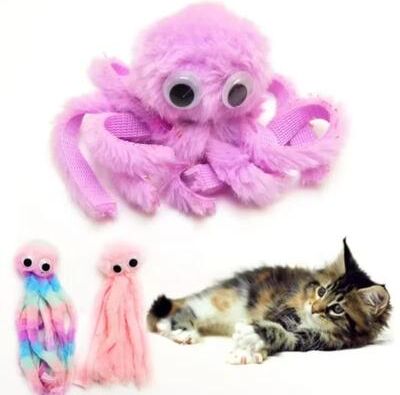
Uplifted Finds Octo Plush High Engagement Stimulator pinkInject highintensity excitement into your pets day with the OctoPlush Stimulator, a multisensory toy engineered with tentacleflutter logic. Designed to mimic the erratic movement of aquatic prey, this 18 cm toy utilizes multistrand kinetic...33,97 $*Shipping: 0,00 $Secure redirect to the provider
-
Little Likes Kids Little Like Kids - Fubbles Bubblin Whale, Blue, Batteries Required, KidsRun, dance and play around with our cute oversized Fubbles® Bubblin Whale with continuous steams bubbles in the air! This is perfect for backyard, parks and parties.26,49 $*Shipping: 0,00 $Secure redirect to the provider
-
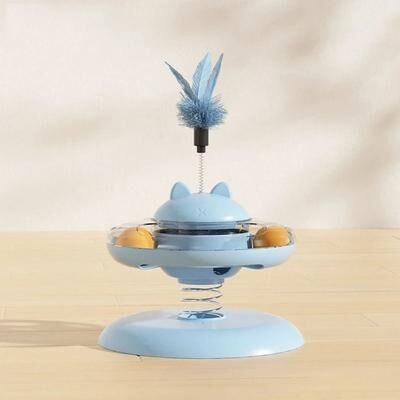
Uplifted Finds Orbit Flow 3 in 1 Kinetic Engagement Hub blueMaximize your pets cognitive and physical stimulation with the OrbitFlow Kinetic Hub, a highperformance play center engineered with multitier engagement logic. This versatile system integrates three distinct predatory triggers into a single 21 cm...92,97 $*Shipping: 0,00 $Secure redirect to the provider
-
Uplifted Finds Octo Plush High Engagement Stimulator purpleInject highintensity excitement into your pets day with the OctoPlush Stimulator, a multisensory toy engineered with tentacleflutter logic. Designed to mimic the erratic movement of aquatic prey, this 18 cm toy utilizes multistrand kinetic...33,97 $*Shipping: 0,00 $Secure redirect to the provider


-
With which pronouns do many people confuse reflexive pronouns?
Many people confuse reflexive pronouns with personal pronouns. For example, they may use "myself" or "yourself" instead of "me" or "you" in a sentence. This confusion often occurs when people are trying to emphasize the subject of the sentence, but they mistakenly use a reflexive pronoun instead of a personal pronoun. It's important to understand the difference between reflexive and personal pronouns in order to use them correctly in sentences. **
-
What are pronouns?
Pronouns are words that are used in place of nouns to avoid repetition in a sentence. They can refer to people, places, things, or ideas. Pronouns help make sentences clearer and more concise by replacing specific nouns with general words like "he," "she," "it," "they," and "we." Using pronouns also helps to maintain the flow of writing and make it more engaging for the reader. **
-
What is the difference between personal pronouns and reflexive pronouns?
Personal pronouns are used to refer to people or things, such as "I," "you," "he," "she," "it," "we," and "they." Reflexive pronouns, on the other hand, are used when the subject and object of a sentence are the same person or thing, such as "myself," "yourself," "himself," "herself," "itself," "ourselves," and "themselves." Reflexive pronouns are used to reflect the action back onto the subject, while personal pronouns simply refer to the subject or object. **
-
Which pronouns do many people often confuse with reflexive pronouns?
Many people often confuse reflexive pronouns with intensive pronouns. Intensive pronouns are used to emphasize a preceding noun or pronoun, while reflexive pronouns are used when the subject and object of a sentence are the same. For example, "I myself will do it" uses an intensive pronoun, while "I hurt myself" uses a reflexive pronoun. It is important to understand the distinction between these two types of pronouns to use them correctly in sentences. **

What is the difference between relative pronouns and demonstrative pronouns?
Relative pronouns are used to connect a clause or phrase to a noun or pronoun. They include words like "who," "whom," "whose," "which," and "that." Demonstrative pronouns, on the other hand, are used to point out specific things or people. They include words like "this," "that," "these," and "those." While relative pronouns connect a clause to a noun, demonstrative pronouns simply point out or identify something. **
What is the difference between relative pronouns and interrogative pronouns?
Relative pronouns are used to connect a dependent clause to an independent clause, providing more information about a noun in the independent clause. They include words like "who," "which," and "that." Interrogative pronouns, on the other hand, are used to ask questions and gather information. They include words like "who," "what," "which," "whom," and "whose." The main difference between the two is their function in a sentence - relative pronouns connect clauses, while interrogative pronouns are used to ask questions. **
Top-Angebote
Products related to Pronouns:
-
Uplifted Finds Predatory Engagement Wrestling Puppet Hub Predatory Engagement Wrestling Puppet HubTransform interactive play with the PredatoryEngagement Puppet, a professionalgrade interaction module engineered with manualsimulation logic. This highutility tool features a reinforced plush architecture and poseable limbs, specifically designed...85,97 $*Shipping: 0,00 $Secure redirect to the provider
-
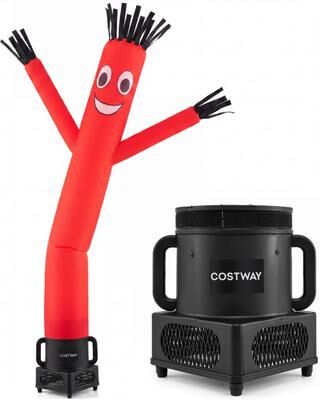
Costway 7 FT Inflatable Tube Man with Blower for Outdoor Business Promotion Store-BlackInject instant excitement into any event with this7 ft/215 cm attractive inflatable tube man featuring an iconic, energetic dance, with flowing hair, a cheerful smile, and waving arms, that captivates attention and lifts spirits.89,99 $*Shipping: 0,00 $Secure redirect to the provider
-
Uplifted Finds Octo Plush High Engagement Stimulator pinkInject highintensity excitement into your pets day with the OctoPlush Stimulator, a multisensory toy engineered with tentacleflutter logic. Designed to mimic the erratic movement of aquatic prey, this 18 cm toy utilizes multistrand kinetic...33,97 $*Shipping: 0,00 $Secure redirect to the provider
-
Little Likes Kids Little Like Kids - Fubbles Bubblin Whale, Blue, Batteries Required, KidsRun, dance and play around with our cute oversized Fubbles® Bubblin Whale with continuous steams bubbles in the air! This is perfect for backyard, parks and parties.26,49 $*Shipping: 0,00 $Secure redirect to the provider
-
Why are demonstrative pronouns called demonstrative pronouns?
Demonstrative pronouns are called demonstrative because they demonstrate or point to a specific noun or pronoun in a sentence. They help to indicate the position or location of the noun or pronoun in relation to the speaker or listener. By using demonstrative pronouns such as "this," "that," "these," and "those," speakers can make their communication more precise and clear by specifying which person, place, thing, or idea they are referring to. **
-
What are demonstrative pronouns and relative pronouns?
Demonstrative pronouns are pronouns that are used to point to specific things or people. Examples of demonstrative pronouns include "this," "that," "these," and "those." Relative pronouns are pronouns that introduce dependent clauses and connect them to independent clauses. Examples of relative pronouns include "who," "whom," "whose," "which," and "that." **
-
With which pronouns do many people confuse reflexive pronouns?
Many people confuse reflexive pronouns with personal pronouns. For example, they may use "myself" or "yourself" instead of "me" or "you" in a sentence. This confusion often occurs when people are trying to emphasize the subject of the sentence, but they mistakenly use a reflexive pronoun instead of a personal pronoun. It's important to understand the difference between reflexive and personal pronouns in order to use them correctly in sentences. **
-
What are pronouns?
Pronouns are words that are used in place of nouns to avoid repetition in a sentence. They can refer to people, places, things, or ideas. Pronouns help make sentences clearer and more concise by replacing specific nouns with general words like "he," "she," "it," "they," and "we." Using pronouns also helps to maintain the flow of writing and make it more engaging for the reader. **
Similar search terms for Pronouns
-
Uplifted Finds Orbit Flow 3 in 1 Kinetic Engagement Hub blueMaximize your pets cognitive and physical stimulation with the OrbitFlow Kinetic Hub, a highperformance play center engineered with multitier engagement logic. This versatile system integrates three distinct predatory triggers into a single 21 cm...92,97 $*Shipping: 0,00 $Secure redirect to the provider
-
Uplifted Finds Octo Plush High Engagement Stimulator purpleInject highintensity excitement into your pets day with the OctoPlush Stimulator, a multisensory toy engineered with tentacleflutter logic. Designed to mimic the erratic movement of aquatic prey, this 18 cm toy utilizes multistrand kinetic...33,97 $*Shipping: 0,00 $Secure redirect to the provider
-
Uplifted Finds Octo Plush High Engagement Stimulator colorfulInject highintensity excitement into your pets day with the OctoPlush Stimulator, a multisensory toy engineered with tentacleflutter logic. Designed to mimic the erratic movement of aquatic prey, this 18 cm toy utilizes multistrand kinetic...33,97 $*Shipping: 0,00 $Secure redirect to the provider
-
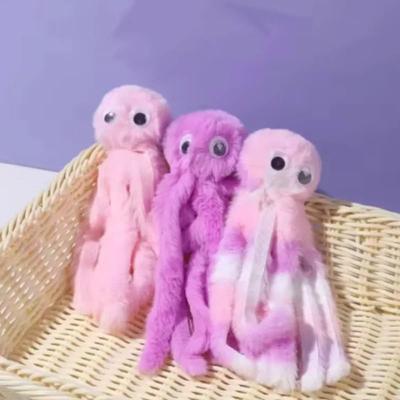
Uplifted Finds Octo Plush High Engagement Stimulator 3 PcsInject highintensity excitement into your pets day with the OctoPlush Stimulator, a multisensory toy engineered with tentacleflutter logic. Designed to mimic the erratic movement of aquatic prey, this 18 cm toy utilizes multistrand kinetic...63,97 $*Shipping: 0,00 $Secure redirect to the provider
-
What is the difference between personal pronouns and reflexive pronouns?
Personal pronouns are used to refer to people or things, such as "I," "you," "he," "she," "it," "we," and "they." Reflexive pronouns, on the other hand, are used when the subject and object of a sentence are the same person or thing, such as "myself," "yourself," "himself," "herself," "itself," "ourselves," and "themselves." Reflexive pronouns are used to reflect the action back onto the subject, while personal pronouns simply refer to the subject or object. **
-
Which pronouns do many people often confuse with reflexive pronouns?
Many people often confuse reflexive pronouns with intensive pronouns. Intensive pronouns are used to emphasize a preceding noun or pronoun, while reflexive pronouns are used when the subject and object of a sentence are the same. For example, "I myself will do it" uses an intensive pronoun, while "I hurt myself" uses a reflexive pronoun. It is important to understand the distinction between these two types of pronouns to use them correctly in sentences. **
-
What is the difference between relative pronouns and demonstrative pronouns?
Relative pronouns are used to connect a clause or phrase to a noun or pronoun. They include words like "who," "whom," "whose," "which," and "that." Demonstrative pronouns, on the other hand, are used to point out specific things or people. They include words like "this," "that," "these," and "those." While relative pronouns connect a clause to a noun, demonstrative pronouns simply point out or identify something. **
-
What is the difference between relative pronouns and interrogative pronouns?
Relative pronouns are used to connect a dependent clause to an independent clause, providing more information about a noun in the independent clause. They include words like "who," "which," and "that." Interrogative pronouns, on the other hand, are used to ask questions and gather information. They include words like "who," "what," "which," "whom," and "whose." The main difference between the two is their function in a sentence - relative pronouns connect clauses, while interrogative pronouns are used to ask questions. **
* All prices are inclusive of VAT and, if applicable, plus shipping costs. The offer information is based on the details provided by the respective shop and is updated through automated processes. Real-time updates do not occur, so deviations can occur in individual cases. ** Note: Parts of this content were created by AI.