Buy likeboost.eu ?
We are moving the project
likeboost.eu .
Are you interested in purchasing the domain
likeboost.eu ?
domain@kv-gmbh.de · 0541-91531010
Buy likeboost.eu ?
What is the social structure of the Germanic people?
The social structure of the Germanic people was based on a hierarchical system with kings or chieftains at the top, followed by nobles, freemen, and then slaves or serfs at the bottom. The king or chieftain held the most power and authority, often leading in battle and making important decisions for the community. Nobles and freemen held positions of influence and were responsible for upholding the laws and customs of the community. Slaves or serfs were at the lowest rung of the social ladder and were often bound to the land or to their masters. This social structure was based on loyalty, kinship, and the ability to provide and protect the community. **
Were the Germanic people Vikings, or were the Vikings Germanic?
The Germanic people were a group of tribes that lived in Northern Europe, including modern-day Germany, Scandinavia, and the Netherlands. The Vikings were a specific group of people within the broader Germanic culture, known for their seafaring and raiding activities. So, the Vikings were a subset of the Germanic people, and not all Germanic people were Vikings. **


Similar search terms for Germanic
Top-Angebote
Products related to Germanic:
-
Costway 7 FT Inflatable Tube Man with Blower for Outdoor Business Promotion Store-BlackInject instant excitement into any event with this7 ft/215 cm attractive inflatable tube man featuring an iconic, energetic dance, with flowing hair, a cheerful smile, and waving arms, that captivates attention and lifts spirits.89,99 $*Shipping: 0,00 $Secure redirect to the provider
-
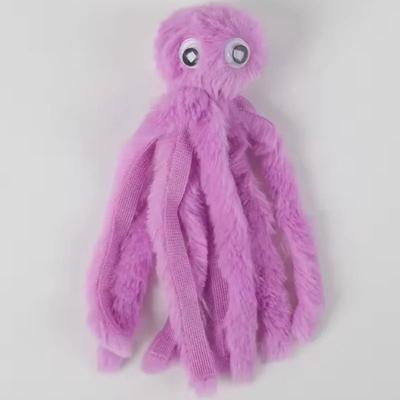
Uplifted Finds Octo Plush High Engagement Stimulator purpleInject highintensity excitement into your pets day with the OctoPlush Stimulator, a multisensory toy engineered with tentacleflutter logic. Designed to mimic the erratic movement of aquatic prey, this 18 cm toy utilizes multistrand kinetic...33,97 $*Shipping: 0,00 $Secure redirect to the provider
-
The Baby-sitters Club Graphix #8: Logan Likes Mary Anne! (Hardcover) - Ann M. Martin and Gale GalliIt's the first day of a new school year, and while Mary Anne doesn't know what to expect from the eighth grade, she's looking forward to getting back into the swing of things. One thing she definitely doesn't expect is to meet Logan Bruno, who just...25,99 $*Shipping: 0,00 $Secure redirect to the provider
-
Uplifted Finds Orbit Flow 3 in 1 Kinetic Engagement Hub yellowMaximize your pets cognitive and physical stimulation with the OrbitFlow Kinetic Hub, a highperformance play center engineered with multitier engagement logic. This versatile system integrates three distinct predatory triggers into a single 21 cm...92,97 $*Shipping: 0,00 $Secure redirect to the provider



-
Are the Celts Germanic?
No, the Celts are not Germanic. The Celts were a distinct group of people who originated in Central Europe and spread across much of Western Europe, including areas that are now part of modern-day France, Spain, and the British Isles. The Germanic peoples, on the other hand, originated in northern Europe and eventually spread into areas that are now part of modern-day Germany, Scandinavia, and the Netherlands. While the Celts and Germanic peoples may have had some interactions and influences on each other, they are considered to be separate and distinct cultural and linguistic groups. **
-
Were the Greeks Germanic?
No, the Greeks were not Germanic. The Greeks were an ancient civilization that originated in the Mediterranean region, while the Germanic peoples were a group of tribes that originated in northern Europe. The Greeks had their own distinct language, culture, and history, which were different from those of the Germanic peoples. Therefore, it is not accurate to classify the Greeks as Germanic. **
-
What is Germanic Neopaganism?
Germanic Neopaganism is a modern revival of the pre-Christian religious practices and beliefs of the Germanic peoples. It encompasses a variety of traditions and practices inspired by the ancient Germanic cultures, including Norse, Anglo-Saxon, and Continental Germanic traditions. Followers of Germanic Neopaganism often worship a pantheon of gods and goddesses, honor their ancestors, and celebrate seasonal festivals. It is a decentralized and diverse movement, with different groups and individuals interpreting and practicing the faith in their own unique ways. **
-
Are Austrians Germanic or Slavic?
Austrians are considered to be primarily Germanic. The majority of the population in Austria speaks German as their first language and shares cultural and historical ties with other Germanic-speaking countries. However, due to its location in Central Europe, Austria has also been influenced by Slavic cultures, particularly in regions bordering countries like Slovenia and the Czech Republic. **

Are Germans Germanic or Celtic?
Germans are considered Germanic, not Celtic. The Germanic peoples are a group of Northern European tribes that share a common linguistic and cultural heritage. The Celts, on the other hand, were a distinct group of people who inhabited parts of Western Europe, including modern-day France, Ireland, and the British Isles. Germans are descendants of the Germanic tribes that settled in the region that is now Germany. **
What are the Germanic peoples?
The Germanic peoples were a group of Indo-European tribes who originated in Northern Europe. They spoke Germanic languages and shared cultural and linguistic similarities. They played a significant role in shaping the history of Europe, with various Germanic tribes establishing kingdoms and empires across the continent. Some well-known Germanic tribes include the Franks, Goths, Vandals, and Saxons. **
Top-Angebote
Products related to Germanic:
-
Uplifted Finds Predatory Engagement Wrestling Puppet Hub Predatory Engagement Wrestling Puppet HubTransform interactive play with the PredatoryEngagement Puppet, a professionalgrade interaction module engineered with manualsimulation logic. This highutility tool features a reinforced plush architecture and poseable limbs, specifically designed...85,97 $*Shipping: 0,00 $Secure redirect to the provider
-
Little Likes Kids Little Like Kids - Fubbles Bubblin Whale, Blue, Batteries Required, KidsRun, dance and play around with our cute oversized Fubbles® Bubblin Whale with continuous steams bubbles in the air! This is perfect for backyard, parks and parties.26,49 $*Shipping: 0,00 $Secure redirect to the provider
-
Costway 7 FT Inflatable Tube Man with Blower for Outdoor Business Promotion Store-BlackInject instant excitement into any event with this7 ft/215 cm attractive inflatable tube man featuring an iconic, energetic dance, with flowing hair, a cheerful smile, and waving arms, that captivates attention and lifts spirits.89,99 $*Shipping: 0,00 $Secure redirect to the provider
-
Uplifted Finds Octo Plush High Engagement Stimulator purpleInject highintensity excitement into your pets day with the OctoPlush Stimulator, a multisensory toy engineered with tentacleflutter logic. Designed to mimic the erratic movement of aquatic prey, this 18 cm toy utilizes multistrand kinetic...33,97 $*Shipping: 0,00 $Secure redirect to the provider
-
What is the social structure of the Germanic people?
The social structure of the Germanic people was based on a hierarchical system with kings or chieftains at the top, followed by nobles, freemen, and then slaves or serfs at the bottom. The king or chieftain held the most power and authority, often leading in battle and making important decisions for the community. Nobles and freemen held positions of influence and were responsible for upholding the laws and customs of the community. Slaves or serfs were at the lowest rung of the social ladder and were often bound to the land or to their masters. This social structure was based on loyalty, kinship, and the ability to provide and protect the community. **
-
Were the Germanic people Vikings, or were the Vikings Germanic?
The Germanic people were a group of tribes that lived in Northern Europe, including modern-day Germany, Scandinavia, and the Netherlands. The Vikings were a specific group of people within the broader Germanic culture, known for their seafaring and raiding activities. So, the Vikings were a subset of the Germanic people, and not all Germanic people were Vikings. **
-
Are the Celts Germanic?
No, the Celts are not Germanic. The Celts were a distinct group of people who originated in Central Europe and spread across much of Western Europe, including areas that are now part of modern-day France, Spain, and the British Isles. The Germanic peoples, on the other hand, originated in northern Europe and eventually spread into areas that are now part of modern-day Germany, Scandinavia, and the Netherlands. While the Celts and Germanic peoples may have had some interactions and influences on each other, they are considered to be separate and distinct cultural and linguistic groups. **
-
Were the Greeks Germanic?
No, the Greeks were not Germanic. The Greeks were an ancient civilization that originated in the Mediterranean region, while the Germanic peoples were a group of tribes that originated in northern Europe. The Greeks had their own distinct language, culture, and history, which were different from those of the Germanic peoples. Therefore, it is not accurate to classify the Greeks as Germanic. **
Similar search terms for Germanic
-
The Baby-sitters Club Graphix #8: Logan Likes Mary Anne! (Hardcover) - Ann M. Martin and Gale GalliIt's the first day of a new school year, and while Mary Anne doesn't know what to expect from the eighth grade, she's looking forward to getting back into the swing of things. One thing she definitely doesn't expect is to meet Logan Bruno, who just...25,99 $*Shipping: 0,00 $Secure redirect to the provider
-
Uplifted Finds Orbit Flow 3 in 1 Kinetic Engagement Hub yellowMaximize your pets cognitive and physical stimulation with the OrbitFlow Kinetic Hub, a highperformance play center engineered with multitier engagement logic. This versatile system integrates three distinct predatory triggers into a single 21 cm...92,97 $*Shipping: 0,00 $Secure redirect to the provider
-
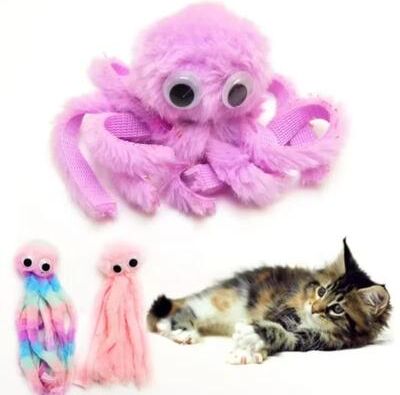
Uplifted Finds Octo Plush High Engagement Stimulator colorfulInject highintensity excitement into your pets day with the OctoPlush Stimulator, a multisensory toy engineered with tentacleflutter logic. Designed to mimic the erratic movement of aquatic prey, this 18 cm toy utilizes multistrand kinetic...33,97 $*Shipping: 0,00 $Secure redirect to the provider
-
Uplifted Finds Octo Plush High Engagement Stimulator pinkInject highintensity excitement into your pets day with the OctoPlush Stimulator, a multisensory toy engineered with tentacleflutter logic. Designed to mimic the erratic movement of aquatic prey, this 18 cm toy utilizes multistrand kinetic...33,97 $*Shipping: 0,00 $Secure redirect to the provider
-
What is Germanic Neopaganism?
Germanic Neopaganism is a modern revival of the pre-Christian religious practices and beliefs of the Germanic peoples. It encompasses a variety of traditions and practices inspired by the ancient Germanic cultures, including Norse, Anglo-Saxon, and Continental Germanic traditions. Followers of Germanic Neopaganism often worship a pantheon of gods and goddesses, honor their ancestors, and celebrate seasonal festivals. It is a decentralized and diverse movement, with different groups and individuals interpreting and practicing the faith in their own unique ways. **
-
Are Austrians Germanic or Slavic?
Austrians are considered to be primarily Germanic. The majority of the population in Austria speaks German as their first language and shares cultural and historical ties with other Germanic-speaking countries. However, due to its location in Central Europe, Austria has also been influenced by Slavic cultures, particularly in regions bordering countries like Slovenia and the Czech Republic. **
-
Are Germans Germanic or Celtic?
Germans are considered Germanic, not Celtic. The Germanic peoples are a group of Northern European tribes that share a common linguistic and cultural heritage. The Celts, on the other hand, were a distinct group of people who inhabited parts of Western Europe, including modern-day France, Ireland, and the British Isles. Germans are descendants of the Germanic tribes that settled in the region that is now Germany. **
-
What are the Germanic peoples?
The Germanic peoples were a group of Indo-European tribes who originated in Northern Europe. They spoke Germanic languages and shared cultural and linguistic similarities. They played a significant role in shaping the history of Europe, with various Germanic tribes establishing kingdoms and empires across the continent. Some well-known Germanic tribes include the Franks, Goths, Vandals, and Saxons. **
* All prices are inclusive of VAT and, if applicable, plus shipping costs. The offer information is based on the details provided by the respective shop and is updated through automated processes. Real-time updates do not occur, so deviations can occur in individual cases. ** Note: Parts of this content were created by AI.